



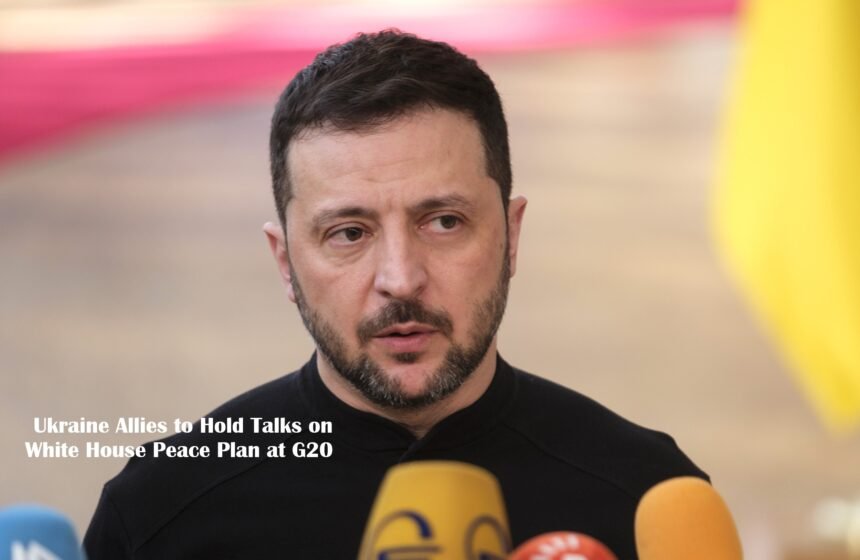
As tensions over a controversial U.S.-backed peace proposal mount, Ukraine’s closest allies are preparing to convene during the upcoming G20 summit to discuss the implications of the White House peace plan. This gathering comes amid growing concern, particularly in Europe, about the plan’s impact on Ukraine’s sovereignty and long-term security.
A Critical Juncture in Diplomacy
The White House has proposed a 28-point peace plan, which calls for significant concessions from Ukraine, including territorial adjustments and limitations on its military.
These elements have stirred unease among European allies, many of whom believe the plan could undermine Ukraine’s autonomy and give Russia undue leverage. Europe’s leading powers, most notably the UK and France, are reported to be organizing a diplomatic response. Their goal is to ensure that any agreement does not compromise Ukraine’s future or leave it vulnerable.
The Role of the G20 Meeting
The upcoming G20 summit sets the stage for this diplomatic maneuvering on a global scale. The gathering of world leaders offers a rare moment for Ukraine’s allies to coordinate their strategies and push back against elements of the proposal that are perceived as lopsided. Leaders are expected to hold private talks in the margins of the summit, laying the groundwork for collective action. These discussions could result in a unified European push to renegotiate or reshape key parts of the plan.
European Concerns and Security Guarantees
One of the main worries among European states is the absence of solid security guarantees. While the plan includes promises of protection, many see them as vague and insufficient. In response, some European countries are reportedly considering a “coalition of the willing” that would provide a more robust security framework for Ukraine, potentially including military and diplomatic guarantees.
This coalition would play a crucial role in ensuring that any ceasefire or settlement is sustainable. Its backing could serve as a counterbalance to what many view as concessions that favor Russia.
Ukraine’s Position
Ukraine has expressed a willingness to negotiate, but it has been cautious. Leaders in Kyiv are keenly aware that any deal must preserve their sovereignty. They are pushing for a peace plan that allows for reconstruction support and strong guarantees against future Russian aggression.
However, some provisions in the U.S.-drafted document, such as limits on Ukraine’s armed forces and territorial compromises, have triggered alarm. Ukrainian officials are reportedly examining alternatives and potential revisions, aiming to preserve national integrity while reducing military pressure.
The U.S. Strategy and Allies’ Pushback
The U.S. is playing a central role in crafting the peace plan, positioning itself as a mediator. Yet, its allies in Europe are increasingly vocal in demanding a greater say. They argue that a deal crafted primarily by Washington and Moscow risks sidelining European interests and Ukraine’s long-term security.
As a result, European leaders are working to secure a more significant role and stronger protections. Their engagement at the G20 could reshape the negotiation process by pushing for a plan that balances peace with robust guarantees.
Possible Outcomes
Several potential outcomes could emerge from the G20 talks:
- Revised Plan: Allies might agree to push for modifications, strengthening security guarantees, and clarifying ambiguous commitments.
- Alternative Framework: European countries may outline a separate proposal or coalition-based plan to safeguard Ukraine.
- Stalling Tactics: Talks could be delayed until a broader consensus is reached, buying time for Ukraine and its allies to refine their approach.
The summit offers a critical opportunity for Ukraine’s international partners to influence the direction of peace efforts. Whether they will succeed in shaping a balanced agreement remains to be seen.
Looking Ahead
As the G20 convenes, the world will be watching closely. The decisions made in these side discussions could determine whether the White House plan becomes a foundation for lasting peace or a source of deeper division. The strength and unity of Ukraine’s allies will likely play a decisive role in shaping the next phase of diplomacy.
In the end, the fate of this proposal will hinge on balancing two imperatives: securing peace and preserving Ukraine’s sovereignty. What happens at the summit could define the future of the war and the stability of Europe.