The rapid rise of artificial intelligence investments has created enormous fortunes for some investors, but the latest market shock is exposing the risks hidden behind the technology trade. The sharp losses suffered by Situational Awareness, an AI-focused hedge fund led by former OpenAI researcher Leopold Aschenbrenner, have prompted one of Wall Street’s biggest banks to reconsider its lending relationship with the firm.
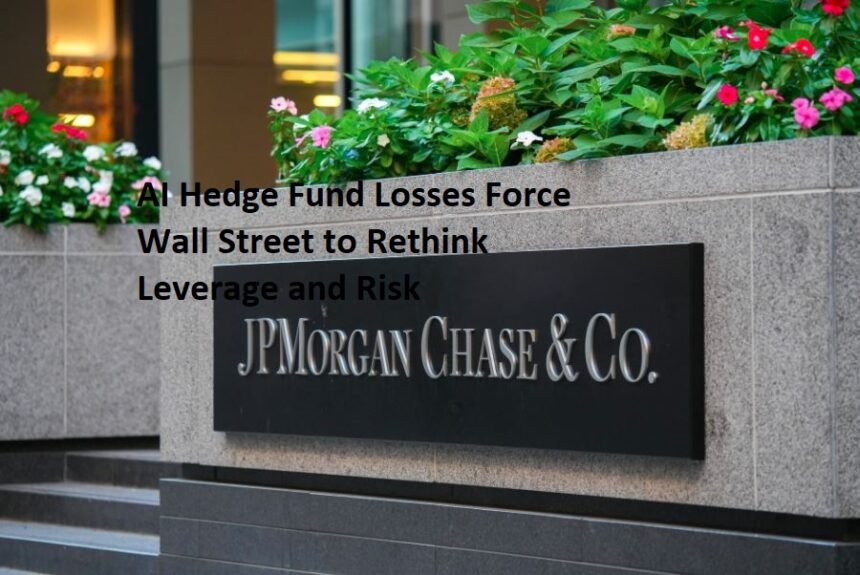
JPMorgan Chase has ended its lending activity with Situational Awareness after the fund suffered heavy losses on leveraged positions in AI-related stocks, according to a person familiar with the matter.
The decision highlights a broader issue confronting financial institutions, how much leverage should be provided to investment strategies built around highly concentrated technology bets?
A High-Profile AI Strategy Runs Into Trouble
Situational Awareness was launched in 2024 and quickly attracted attention for its aggressive approach to investing in companies connected to artificial intelligence. Aschenbrenner, who previously worked as a researcher at OpenAI, developed a reputation for making strong convictions about the long-term potential of AI.
Those bets initially produced spectacular results, helping the fund gain a following among investors. That success changed dramatically during July. A worldwide selloff in semiconductor stocks caused the fund’s portfolio to plunge 67% during the month.
The decline was severe enough to trigger a margin call, forcing the hedge fund to liquidate most of its public-equity positions. The portfolio was ultimately sold to Citadel as the firm sought to stabilize its finances.
The episode demonstrates how quickly leverage can turn a successful investment strategy into a liquidity problem when markets move sharply against concentrated positions.
JPMorgan Takes a More Defensive Position
JPMorgan had been one of Situational Awareness’ important lenders, providing financing that allowed the hedge fund to increase its market exposure. Following the losses, the bank notified the fund that it would end its lending relationship, according to Reuters.
For JPMorgan, the move represents a risk-management decision rather than necessarily a judgment on the long-term prospects of artificial intelligence.
Banks that finance hedge funds must monitor not only the quality of an investment strategy but also the amount of leverage attached to it. When markets become extremely volatile, collateral can lose value rapidly, creating additional pressure on both the borrower and lender.
JPMorgan’s decision therefore illustrates how a major market loss can change the relationship between a hedge fund and its financing partners.
Other Banks Continue Working With the Fund
Despite JPMorgan’s withdrawal, Situational Awareness has not been completely cut off from Wall Street. Goldman Sachs, Citigroup and Bank of America remain brokers for the fund, while the company has also begun working with New York-based brokerage Clear Street.
The continued involvement of other financial institutions suggests that the fund still has access to parts of the financial infrastructure needed to operate.
However, losing a major lender could still restrict its ability to rebuild the kind of leveraged positions that contributed to its earlier gains. The firm’s future strategy may therefore depend on whether it can generate returns while maintaining much tighter risk controls.
The July Collapse Reveals the Danger of Leverage
The most important lesson from the episode may involve leverage rather than artificial intelligence itself. Hedge funds commonly borrow money from banks and prime brokers to increase their exposure to financial markets. When investments rise, leverage can magnify returns. But the same mechanism can accelerate losses when asset prices fall.
Situational Awareness experienced precisely that problem during the July selloff. The fund’s portfolio fell so rapidly that liquidity became increasingly difficult to manage.
In a letter to investors, Aschenbrenner acknowledged that the firm came closer to a permanent impairment of capital than it considered acceptable. The fund subsequently removed leverage from its portfolio. That decision represents a major shift from the aggressive positioning that helped drive its earlier performance.
AI Investment Risks Extend Across Wall Street
The episode is taking place against a broader reassessment of AI-related financial risk. Technology companies have attracted enormous amounts of capital as investors bet on the continued expansion of artificial intelligence.
Semiconductor manufacturers, data-center operators and software companies have all benefited from the enthusiasm. But rapid price increases can create crowded trades. If investors begin questioning valuations or future growth expectations, multiple funds can attempt to exit similar positions at the same time.
That can amplify market declines and create liquidity problems even when the underlying businesses remain financially healthy. The situation has already affected other major financial firms.
Jane Street said its July performance was hurt by the decline in AI-exposed stocks, with several major memory and semiconductor companies losing roughly half their value during the month.
Wall Street May Become More Selective
The Situational Awareness episode could encourage banks to take a closer look at how they finance hedge funds with concentrated exposure to AI. Lenders may demand stronger collateral, reduce credit lines or impose stricter requirements on highly leveraged positions.
Hedge funds, meanwhile, could be forced to rely more heavily on their own capital rather than borrowed money. That would not necessarily end the AI investment boom. Instead, it could make the market less dependent on aggressive leverage. For investors, the episode offers a broader warning.
The artificial intelligence trade may still have substantial long-term potential, but spectacular returns can encourage increasingly large and concentrated positions. Situational Awareness’ experience shows how quickly those strategies can unravel when market conditions change.
The next phase of the AI investment boom may therefore be defined not only by technological breakthroughs, but also by how effectively Wall Street manages the leverage and liquidity risks created by enormous bets on the sector.