


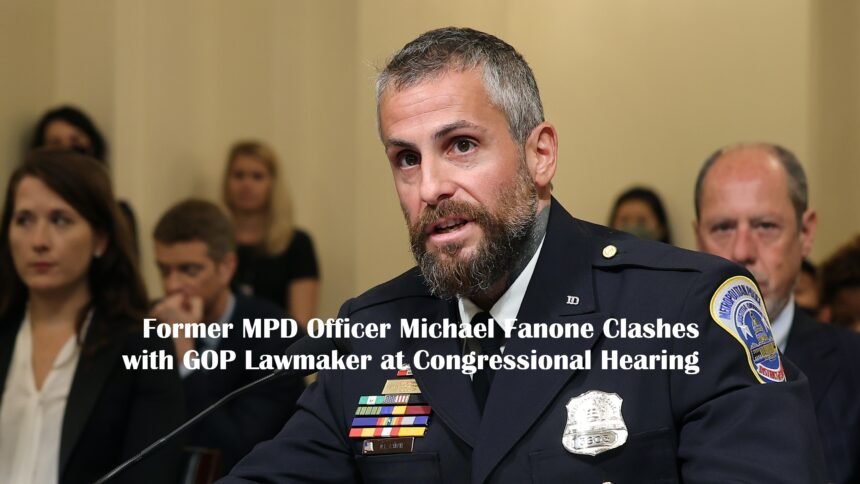
In a charged moment during a House Judiciary Committee hearing, former Metropolitan Police Department (MPD) officer Michael Fanone made headlines again for his blunt reaction to comments from a Republican lawmaker.
Fanone, who was severely beaten during the January 6, 2021, riot at the U.S. Capitol, sharply responded to remarks that appeared to shift blame for the attack away from its instigators. This confrontation unfolded as part of a broader hearing where former special counsel Jack Smith testified on threats facing American democracy.
Fanone’s presence at the hearing was symbolic and highly personal. He had been among the law enforcement officers deployed to defend the Capitol when a violent mob sought to disrupt the certification of the 2020 presidential election. Over the years since that day, he has shared his experience widely, drawing attention to the physical and psychological toll of that attack.
Tensions Rise During Judiciary Committee Proceedings
The exchange that drew national attention began when Republican Representative Troy Nehls addressed officers in the audience, including Fanone and several others who responded to the January 6 riot.
Nehls suggested that the blame for the riot did not lie with former President Donald Trump but rather with the leadership of the U.S. Capitol Police. This statement drew immediate pushback from those who had faced the rioters firsthand.
“As Republican Rep. Troy Nehls attempted to place blame for the January 6, 2021, riot on Capitol Police officials and not on President Donald Trump, Fanone interrupted with a loud cough and a quick message,” one account noted. The remark by Fanone, delivered in a moment of clear frustration, resonated widely across social and traditional media.
Fanone’s Forceful Response
Fanone, who survived brutal attacks on January 6, stood among other officers in the hearing room that day. Aquilino Gonell, Harry Dunn, and Daniel Hodges were also present, each of whom has since become an outspoken critic of those responsible for the riot.
When Nehls attributed the violence to security leadership rather than those who incited and participated in the attack, Fanone interrupted him with a blunt and profane rebuke, expressing anger at the implication. The moment marked another chapter in Fanone’s ongoing public engagement with the consequences of January 6.
His response was not simply an emotional reaction, it reflected deep frustration felt by many law enforcement officers who were physically endangered and severely injured that day.
Fanone himself was dragged into a crowd of rioters, beaten, tased, and left unconscious before he was rescued. His injuries were extensive, and his recovery has included confronting lasting physical and emotional wounds.
Broader Context of the Hearing
The hearing itself was convened to hear testimony from Jack Smith, the former special counsel who led investigations into efforts to overturn the 2020 election. Smith’s appearance before lawmakers focused on threats to democracy and the importance of accountability.
Amid his testimony, he warned of “potentially catastrophic” ongoing risks if individuals are not held responsible for their actions during the January 6 attack. Smith stated that a failure to hold those who commit violent acts accountable could send a dangerous signal about societal tolerance for such behavior.
He made clear that safeguarding democratic processes and protecting election workers are crucial to the nation’s future stability. His remarks underscored the significance of the hearing and the charged emotions present in the room.
The Aftermath of January 6 and Officer Experiences
For officers like Fanone, the events of January 6 remain vivid. The physical violence they encountered included brutal blows, taser shocks, and intense confrontations with rioters.
Fanone has previously described his experience as hand-to-hand combat against a mob, and he continues to cope with the physical and emotional aftermath. His injuries included a concussion and a heart attack on that day, and he has spoken openly about living with lasting effects.
Since leaving active duty, Fanone has often shared his perspective with lawmakers, the public, and media outlets to emphasize the brutality of January 6 and advocate for justice. His voice has been part of broader conversations about accountability, national security, and the responsibilities of elected officials in confronting violent extremism.
Reactions from Lawmakers and Public Figures
The exchange at the Judiciary Committee drew reactions from political leaders and commentators across the country. Some saw Fanone’s response as understandable given his experiences and the severe injuries he suffered. Others criticized the tone, focusing on expectations of decorum during congressional proceedings.
Regardless of perspective, the moment highlighted the deep divisions and strong emotions surrounding discourse about the Capitol attack and its aftermath. Several officers present at the hearing have transformed their firsthand experience into public commentary on government accountability and leadership.
Their testimonies before congressional committees and their public statements have continued to influence discussions about the legacy of January 6 and how the nation should address threats to its democratic institutions.
Presidential Accountability Debate
Underlying the exchange is a larger political debate over the role of former President Trump and others in the events of January 6. Questions about responsibility, leadership, and the extent of involvement in efforts to overturn the election have animated congressional hearings, public opinion, and legal proceedings.
Those who defended the Capitol that day often emphasize the need to confront these issues directly and ensure that future threats do not go unchallenged. Fanone’s blunt message to a lawmaker who appeared to deflect blame reflected this broader conflict over narratives and accountability.
His experience serves as a reminder of the violence faced by law enforcement and the stakes involved in discussions about the events of January 6 and their implications for national unity and democratic norms.