



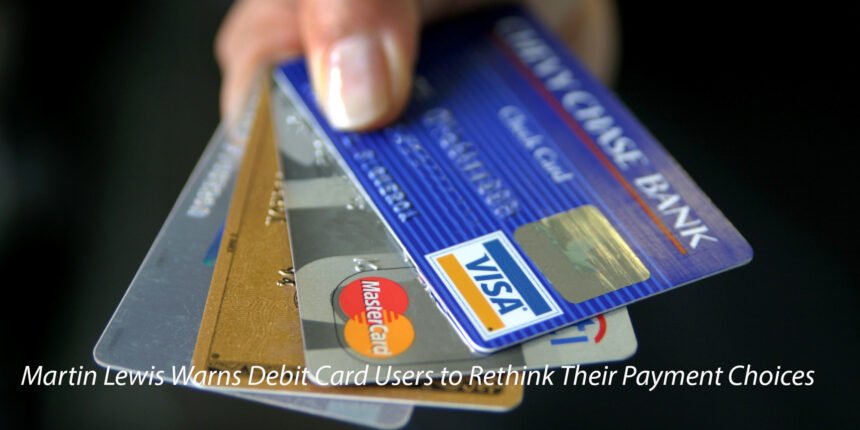
Financial expert Martin Lewis recently issued a strong warning to people who rely on debit cards for most transactions. His message highlights why credit cards can offer better protection in many situations, especially when purchases go awry or companies fail to deliver as promised. His explanation has sparked renewed interest in how consumers choose their payment methods and why understanding these differences is important.
Why Martin Lewis Issued the Warning
Martin Lewis often shares advice to help people avoid financial risk. This time, he focused on the hidden disadvantages of using debit cards. Many people prefer debit cards because they reflect real-time spending and help prevent debt. However, Lewis pointed out that debit cards do not offer the same safeguards as credit cards.
He explained that Section 75 protection applies only to credit card purchases. This protection lets consumers claim refunds directly from the card provider if a company fails to deliver goods or services. Debit cards lack this legal guarantee, leaving buyers more vulnerable when disputes occur. Lewis believes people should understand this gap before deciding which payment method to use.
The Advantage of Credit Card Protection
Credit cards give consumers stronger rights. Section 75 makes the card provider jointly responsible with the retailer for purchases above a certain amount. If a product arrives damaged, a service gets canceled, or a company goes bankrupt, the buyer can request a refund from the card provider.
Lewis noted that this protection creates a powerful safety net. It means consumers don’t depend solely on the retailer’s customer service or refund policies. People who buy large items or book expensive services benefit the most from this rule. Using debit cards for the same purchases increases the risk of financial loss if something goes wrong.
Common Situations Where Debit Cards Fall Short
Many everyday transactions involve some risk. Lewis highlighted scenarios that often lead to disputes. Holiday bookings, online purchases, and event tickets create uncertainty because companies sometimes cancel or fail to deliver. Debit card users must persuade their bank to help through voluntary processes, but decisions vary, and outcomes are not guaranteed.
Credit card users, on the other hand, can rely on stronger rights. They can request refunds more easily because Section 75 provides a clear legal basis. Lewis urged people to evaluate these risks, especially when costs are high or when buying from smaller companies with less secure reputations.
Why Some People Still Prefer Debit Cards
Despite the benefits of credit cards, many people avoid them because they want to stay debt-free. They believe debit cards encourage responsible spending and reduce the temptation to overspend. Lewis acknowledged this perspective but clarified that using a credit card for protection does not require carrying debt.
He reminded consumers that they can pay the balance in full each month. This habit removes interest charges while still granting Section 75 protection. In his view, using a credit card wisely combines safety with financial discipline.
How Consumers Can Stay Protected
Lewis encourages people to stay informed and choose payment methods based on risk. For purchases under a certain amount, debit cards may still work well. For higher-value transactions, using a credit card offers a stronger backup plan. He also suggested keeping records of transactions and checking statements regularly. Quick responses help resolve issues before they grow. Consumers who understand their rights feel more confident when disputes arise.
Conclusion
Martin Lewis’s warning reminds people that payment choices carry real consequences. Debit cards may feel simpler, but they offer weaker protection when problems occur. Credit cards provide stronger safeguards through legal rights that help consumers recover their money if something goes wrong. By choosing the safer option for certain purchases and using credit responsibly, people can reduce risk and protect their finances more effectively.