



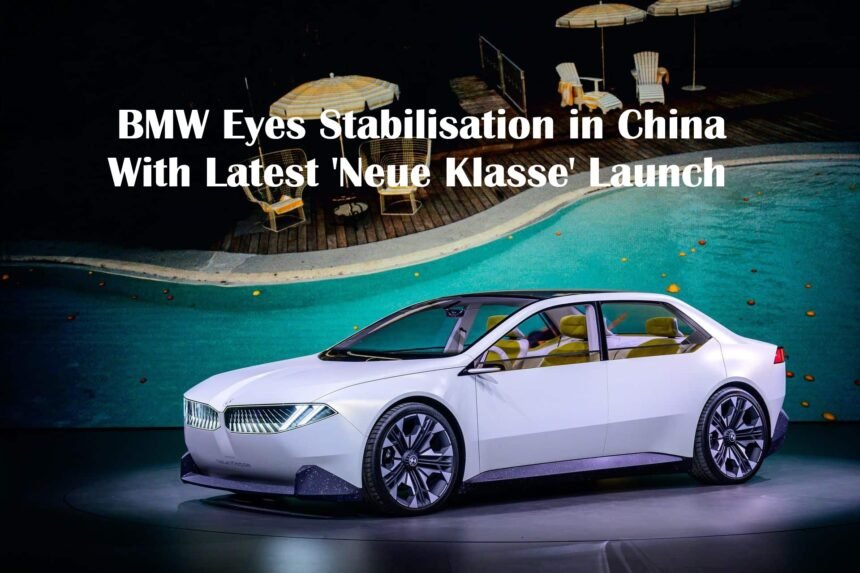
BMW has set a clear goal: to stabilise its position in China’s electric vehicle (EV) market through its latest Neue Klasse launch. After months of intense competition and price pressure from domestic brands, BMW wants a stronger foothold. The Neue Klasse platform has been described as the company’s most significant technological shift in decades.
According to Global Banking & Finance Review, China’s EV pricing has begun to stabilise, and BMW hopes to benefit from this trend as it launches its new models. China remains the world’s largest EV market. Domestic brands like BYD and SAIC have experienced rapid growth, offering high-tech vehicles at competitive prices.
This challenge pushed BMW to rethink its approach. The Neue Klasse platform is designed to deliver enhanced range, improved software capabilities, and an enhanced user experience. It also aims to bring a new generation of electric vehicles to customers in China first.
What the Neue Klasse Means for BMW
The Neue Klasse initiative signals a transition for BMW from traditional EV architectures to truly digital and smart systems. The platform features advanced battery tech, scalable software, and improved energy efficiency. BMW’s executives point to Neue Klasse as the foundation for future competitiveness.
BMW announced that new models on this platform, including an electric sedan and SUV hybrid, will arrive first in China. These vehicles embrace modular design and cutting‑edge software. The company also plans continuous updates over‑the‑air, similar to what tech companies do with smartphones. This marks a shift from car manufacturing to a digital mobility service mindset.
To support this strategy, BMW is strengthening production capabilities in China. Its Shenyang plants will produce Neue Klasse models locally. This localisation helps reduce costs and align vehicles with Chinese consumer preferences. Local battery partnerships also play a part, including work with major battery suppliers.
Tech Partnerships and Digital Focus
BMW is expanding partnerships with major Chinese tech firms. One notable collaboration is with Alibaba Group. Alibaba’s AI technology will integrate with BMW’s in‑car systems in China. This partnership brings a smarter voice assistant and enhanced digital services to Neue Klasse models starting in 2026.
Third‑party collaboration allows BMW to leverage China’s rapidly evolving tech ecosystem. BMW’s “360° AI strategy” in China emphasises three areas: intelligent manufacturing, digital user experience, and open innovation. Thanks to this, vehicles can receive regular software upgrades.
These updates can improve performance, safety, and convenience without physical dealership visits. This tech focus aligns with Chinese consumer expectations. EV buyers today value digital features as much as range or design. BMW wants its products to feel both premium and future‑ready from the first start‑up.
Market Challenges and Price Stabilisation
China’s EV market saw aggressive discounting in the past year. Many brands lowered prices to maintain sales volumes. This tactic squeezed profit margins across the industry. BMW has felt this impact. Sales fell significantly in 2025, and executives acknowledged the need for change.
However, recent signs show pricing stabilisation in key segments. Analysts suggest brands are finding a better balance between value and profitability. This shift benefits established manufacturers like BMW. Sustained price stability may allow BMW to compete based on quality and technology rather than discounts alone.
BMW’s China sales chief noted improvements in pricing trends and dealer confidence. If prices hold steady, the market could recover some discipline. This environment creates space for premium brands to promote innovation at the lowest cost.
Competitive Landscape in China
Competition in China extends beyond pricing. Local manufacturers are strong in software, connectivity, and supply chain integration. Companies like BYD and Geely have developed strong domestic followings. These brands also rapidly launch new models.
They attract younger buyers through tech features and affordable pricing. In response, BMW invests in both product and service improvements. User digital services, connectivity, and AI integration are key differentiators.
The Neue Klasse cars aim to deliver faster performance and smarter digital interfaces. To diversify appeal, BMW also explores subscription services and flexible ownership options. This includes in‑car apps, remote software enhancements, and personalised experiences.
Insights From Other Industry Sources
A report from Reuters highlights that BMW’s global EV push faces pressure from cost challenges and market changes. BMW’s core auto margin remained under scrutiny due to high investment costs in electrification. Despite this, the company remains committed to its long‑term EV roadmap.
According to BMW Group’s official reports, the company plans over 40 new EV models by 2027. Many of these will be built on Neue Klasse architecture, supporting global expansion. China will remain a central market due to its size and innovation ecosystem.
Industry analysts note that China’s EV market could stabilise faster than other regions, thanks to strong consumer demand for digital features and modern designs. BMW’s strategy to integrate software updates, AI features, and premium production aligns with these trends.
Looking Ahead: What This Means for BMW
BMW’s Neue Klasse launch aims to serve as the company’s strategic turning point in China. The focus on technology, local production, and digital services gives the brand fresh momentum. Stabilising sales figures and pricing can help BMW regain market share. China’s EV market still presents challenges.
Domestic brands continue to innovate. Consumer tastes evolve rapidly. However, BMW’s renewed focus on differentiators like software integration and premium EV experiences may create long‑term advantages. The success of Neue Klasse in China could influence BMW’s approach worldwide.
Insights gained from local partnerships and technological development may flow into future global launches. In this way, China serves both as a sales hub and an innovation centre.
For now, BMW is betting that Neue Klasse will not only stabilise its China business but also set new performance and digital standards for its EV lineup. Only time will reveal how well this strategy performs against fierce competition, shifting market trends, and rising consumer expectations.