


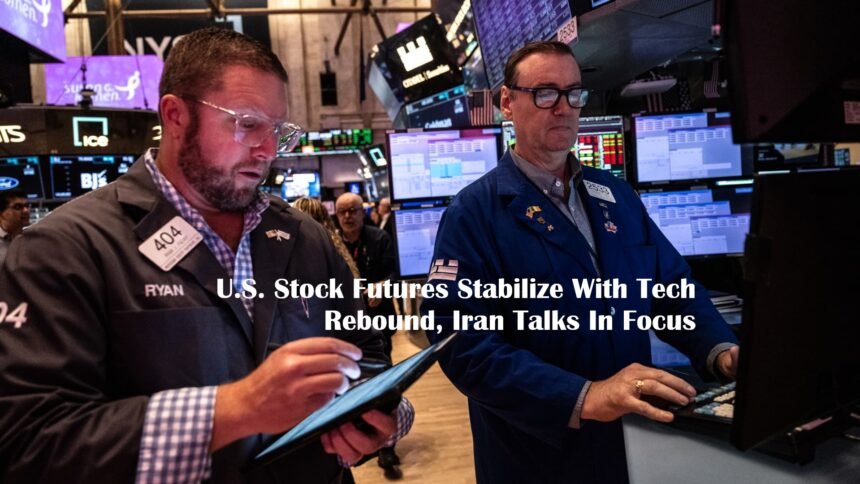
U.S. stock futures showed signs of stabilization as investors returned their attention to technology companies and ongoing international developments. The market experienced renewed confidence after a rebound in major technology shares helped ease prior selling pressure. Technology stocks played an important role in improving investor sentiment. Many traders watched large technology companies closely because their performance often influences broader market movements.
The recovery suggested that investors remained interested in growth sectors despite recent uncertainty. Market participants continued to monitor economic conditions, corporate performance, and global events. The combination of a technology rebound and diplomatic developments created a cautious but more balanced environment for investors.
Technology Shares Support Market Recovery
The technology sector became a key driver behind the improvement in stock futures. Recent declines created concerns about high valuations and future growth expectations. However, renewed buying activity helped technology shares regain momentum. Investors focused on companies connected to artificial intelligence, cloud computing, and digital services. These areas continued to attract attention because of strong long-term growth expectations.
The return of buyers showed that many investors still viewed technology as an important part of future market expansion. The rebound also helped stabilize major stock indexes. Futures linked to leading U.S. indexes moved higher as confidence improved. Although volatility remained, the technology recovery provided temporary relief after periods of market pressure.
Investors Watch Iran Talks And Global Risks
Alongside market movements, investors closely followed developments surrounding Iran talks. Diplomatic discussions created uncertainty because any major changes could influence energy markets and global risk sentiment. Oil prices often react to geopolitical events involving major energy-producing regions.
Investors considered possible outcomes from negotiations because changes in supply expectations could affect inflation concerns and economic forecasts. The situation encouraged investors to maintain a careful approach. Markets typically respond quickly to international developments, especially when they involve energy security and global trade conditions.
Economic Data Remains A Key Market Factor
Investors also continued analyzing economic indicators for signs about the future direction of monetary policy. Inflation trends, employment conditions, and consumer activity remained important factors in market decisions. A stronger economic outlook could support stock prices by improving expectations for business growth.
However, persistent inflation concerns could create challenges for investors and policymakers. Market participants looked for signals that could provide greater clarity. Economic reports helped investors evaluate whether current conditions supported continued market gains or required a more defensive strategy.
Federal Reserve Expectations Influence Investor Decisions
Expectations surrounding the Federal Reserve remained a major influence on financial markets. Investors evaluated whether future interest rate decisions would support economic expansion or create additional pressure on companies. Lower interest rates can benefit growth-oriented sectors because borrowing costs become more manageable.
Technology companies often receive strong attention during periods when investors expect a more supportive monetary environment. However, uncertainty about inflation and economic stability continued to affect market confidence. Investors balanced optimism from the technology rebound with concerns about possible policy changes.
Wall Street Responds To Changing Conditions
Wall Street remained focused on balancing opportunity and risk. The recent technology recovery encouraged buyers, but uncertainty prevented a complete return of confidence. Many investors adjusted their strategies based on changing market conditions.
Some focused on companies with strong financial positions, while others searched for opportunities created by recent price movements. The market environment reflected a combination of optimism and caution. Technology strength provided support, while geopolitical concerns encouraged careful decision-making.
Artificial Intelligence Growth Keeps Technology In Focus
Artificial intelligence remained one of the strongest themes influencing technology investments. Companies connected to artificial intelligence infrastructure continued receiving significant attention from investors. The sector benefited from expectations of increased demand for advanced computing solutions.
Businesses across multiple industries continued exploring artificial intelligence applications, creating optimism about future revenue opportunities. However, investors also considered valuation risks. Rapid growth expectations often create higher market expectations, which can increase sensitivity to company results and industry developments.
Energy Markets And Global Stability
Energy markets remained closely connected to geopolitical developments. Any changes involving Iran could influence oil supply expectations and affect broader financial conditions.
Higher energy prices can increase costs for businesses and consumers. These effects may influence inflation trends and economic growth forecasts. Investors therefore monitored diplomatic developments alongside corporate news and economic reports. The relationship between global events and financial markets remained an important factor in daily trading decisions.
Cautious Optimism Shapes Market Outlook
The stabilization of U.S. stock futures reflected improving sentiment after technology shares recovered. Investors welcomed the stronger performance from major technology companies while continuing to watch global risks. The market outlook remained uncertain because several factors could influence future movements.
Economic data, interest rate expectations, corporate earnings, and international developments all played important roles. Investors continued searching for signs of stability. The technology rebound provided support, but broader confidence depended on how markets responded to upcoming events.