



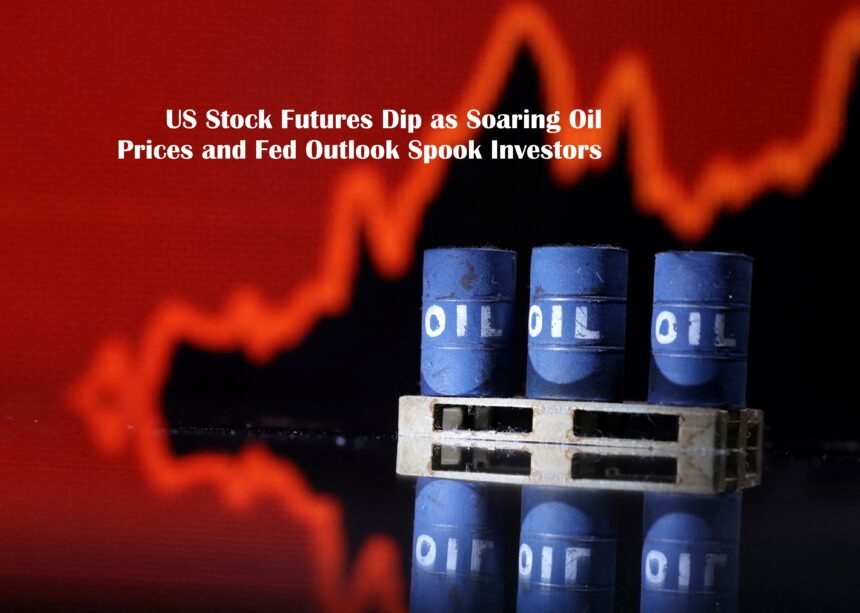
U.S. stock futures moved lower as investors reacted to a sharp rise in oil prices and a cautious Federal Reserve outlook. Market sentiment weakened as inflation fears resurfaced. Uncertainty was reinforced by geopolitical tensions and shifting monetary expectations.
Oil Surge Drives Inflation Concerns
Oil prices climbed significantly due to the escalating conflict in the Middle East. Supply disruptions were triggered after attacks linked to tensions involving Iran and Israel. Brent crude surged above $115 per barrel, intensifying worries about global energy supply. Inflation expectations increased as energy costs rose. Higher fuel prices tend to ripple across industries.
Transportation, manufacturing, and consumer goods often become more expensive. This dynamic placed additional pressure on equity markets. The surge in oil prices has been one of the fastest in recent years. Analysts noted that crude prices jumped sharply within days. The rapid increase has complicated the economic outlook.
Federal Reserve Signals Caution
The Federal Reserve maintained interest rates but signaled a restrained path forward. Policymakers projected only one rate cut for the year. This outlook disappointed investors who expected more easing. A cautious stance was adopted due to persistent inflation risks.
Rising oil prices have made it harder to justify aggressive rate cuts. Inflation has remained above the central bank’s target. Market participants adjusted expectations quickly. Some forecasts now suggest that rate cuts could be delayed further. Financial institutions pushed back timelines for policy easing.
Technology Stocks Lead Declines
Technology stocks experienced notable losses. Semiconductor companies were among the hardest hit. Shares dropped despite strong earnings forecasts. Investors became concerned about capital spending. Higher borrowing costs reduce the appeal of expansion.
This concern weighed heavily on growth-oriented sectors. The broader market also weakened. Major indexes slipped below key technical levels. This movement signaled negative momentum across Wall Street.
Broader Market Reaction
The decline was not limited to technology stocks. Travel and leisure companies also fell. Rising fuel costs tend to hurt these sectors. Banks showed weakness as well. Financial stocks reacted to shifting interest rate expectations.
Delayed rate cuts reduce potential lending growth. Precious metal miners and other cyclical sectors declined. Investors moved toward safer assets amid uncertainty. Risk appetite was reduced across markets.
Geopolitical Tensions Add Pressure
The Middle East conflict has played a central role in market volatility. Attacks on energy infrastructure disrupted supply chains. Shipping routes faced uncertainty, especially near key oil transit points. Energy markets reacted quickly to these developments.
Prices rose as traders anticipated prolonged disruptions. Concerns about supply shortages intensified. Geopolitical risks have made forecasting more difficult. Investors remained cautious due to unpredictable developments. This uncertainty contributed to market declines.
Inflation Data and Economic Signals
Recent economic data added to market concerns. Producer prices increased more than expected. This trend suggested that inflation pressures remain strong. Higher input costs often lead to higher consumer prices.
Businesses may pass these costs onto customers. This process can prolong inflation cycles. The combination of rising oil prices and strong inflation data created a challenging environment. Investors reassessed growth expectations.
Changing Rate Cut Expectations
Expectations for interest rate cuts have shifted significantly. Earlier forecasts anticipated multiple cuts within the year. Now, fewer reductions are expected. Some projections indicate that meaningful easing could be delayed until much later.
This outlook reflects persistent inflation and economic uncertainty. Bond markets also reacted to these changes. Yields moved higher as investors adjusted to new expectations. Higher yields can reduce equity valuations.
Investor Sentiment Turns Defensive
Investor sentiment turned more defensive as risks increased. Many traders reduced exposure to equities. Safer assets became more attractive. Volatility increased across financial markets. Rapid changes in oil prices and policy expectations drove uncertainty. Investors closely monitored upcoming economic data. Jobless claims and policy statements were expected to provide further direction.
Outlook Remains Uncertain
The outlook for U.S. markets remains uncertain. Oil prices are likely to remain a key driver. Any escalation in geopolitical tensions could push prices higher. The Federal Reserve’s policy path will also play a critical role.
Inflation trends will influence future decisions. Markets will respond quickly to any changes in guidance. Economic growth may face headwinds if energy costs stay elevated. Higher prices can reduce consumer spending and business investment.