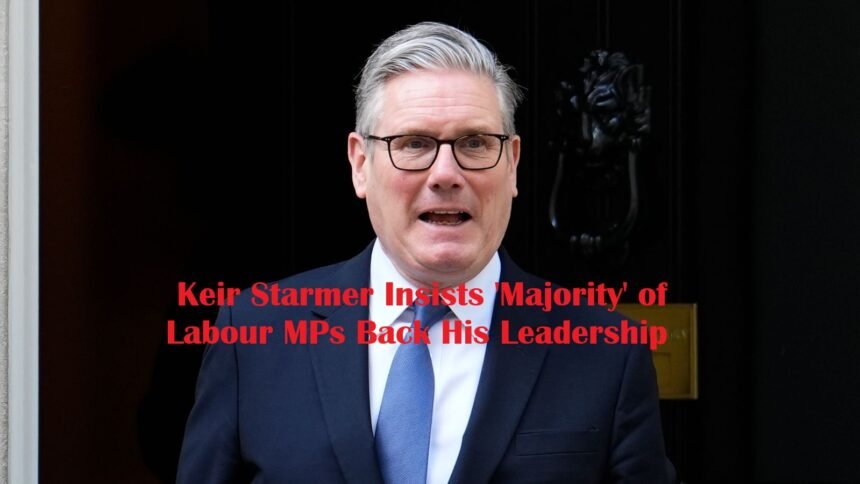
Keir Starmer has insisted that the “majority” of Labour MPs continue to support his leadership. His statement comes during a turbulent period marked by political controversy and internal party tensions. Questions about his authority have intensified, yet he has remained firm in his position.
The prime minister addressed growing speculation about dissatisfaction within the party. He argued that most Labour lawmakers prefer to focus on governing rather than engaging in leadership disputes. His remarks aim to reinforce stability at a time when public scrutiny has increased.
Political Turmoil Following Controversy
Recent events have triggered a wave of criticism toward Starmer. The controversy surrounding the appointment of Peter Mandelson as ambassador has placed his judgment under scrutiny. Concerns emerged after reports suggested that security clearance issues had been raised during the process.
Opposition figures and some critics inside the Labour Party have questioned the decision. They argue that it reflects broader issues in leadership and governance.
The situation has also fueled speculation about possible internal divisions. Despite these challenges, Starmer has rejected claims that his leadership is weakening. He has emphasized that political noise often exaggerates dissent. According to him, many supportive MPs choose not to speak publicly.
Claim of Strong Parliamentary Support
Starmer’s central argument focuses on the silent majority within the parliamentary party. He stated that loyal members rarely seek media attention. Instead, they concentrate on their responsibilities and legislative work. He described this group as the backbone of the Labour Party’s current government.
Their support, he believes, remains solid even during difficult moments. This narrative counters the perception that his leadership is under immediate threat. The claim also highlights a common dynamic in politics. Public criticism often appears louder than quiet support. Starmer has used this point to argue that internal backing remains stronger than headlines suggest.
Internal Criticism and Leadership Speculation
Not all voices within Labour share Starmer’s confidence. Reports indicate that some MPs and ministers have expressed concern about recent decisions. Questions about strategy and political judgment have surfaced in internal discussions. Speculation about potential leadership challenges has grown. Figures such as Andy Burnham have been mentioned as possible alternatives.
His popularity within parts of the party has added to the uncertainty. However, no formal challenge has materialized. Many MPs appear cautious about triggering instability. Some believe that a leadership contest could harm the party’s electoral prospects. This hesitation has indirectly strengthened Starmer’s position. Even critics may prefer continuity over immediate change.
Electoral Pressure and Public Perception
The timing of the controversy has increased its political impact. Upcoming local elections are expected to test Labour’s support among voters. Poor results could intensify pressure on the leadership. Analysts suggest that electoral outcomes often shape internal party dynamics.
If Labour underperforms, calls for change may grow louder. Conversely, stable results could reinforce Starmer’s authority. Public perception also plays a crucial role. The controversy has drawn attention to decision-making at the highest level of government.
Critics argue that it may affect trust among voters. Starmer and his allies have attempted to shift the focus back to policy priorities. They emphasize economic issues and public services as key concerns for voters.
Allies Rally Around the Prime Minister
Despite criticism, Starmer retains a network of allies within the government. Senior figures have defended his leadership and dismissed allegations of wrongdoing. They argue that no clear evidence of misconduct has been established. Supporters also highlight his role in leading Labour to a decisive election victory.
They view his leadership as central to the party’s return to power after years in opposition. This backing has helped stabilize the political situation. Loyal ministers continue to present a united front in public. Their support reinforces Starmer’s claim that he still commands confidence within the party.
Broader Implications for Labour
The current situation reflects deeper challenges within the Labour Party. Balancing internal unity with public accountability remains a key issue. Leadership controversies can quickly overshadow policy achievements. Starmer’s insistence on majority support is part of a broader strategy. He aims to project stability and maintain focus on governance.
This approach seeks to reassure both MPs and the public. At the same time, the episode has exposed underlying tensions. Differences in opinion about leadership style and decision-making have become more visible. These dynamics may continue to shape the party’s direction.
The Road Ahead
Looking forward, the next few weeks will be critical for Starmer. Electoral results and ongoing scrutiny will influence his political standing. The ability to maintain party unity will be essential. Starmer has made clear that he intends to continue leading Labour into future elections.
He has dismissed suggestions that he might step aside. His message emphasizes resilience and commitment to delivering on promises. The outcome of this period will likely define his leadership. If support within the party holds, his position may strengthen. If divisions deepen, pressure for change could intensify.