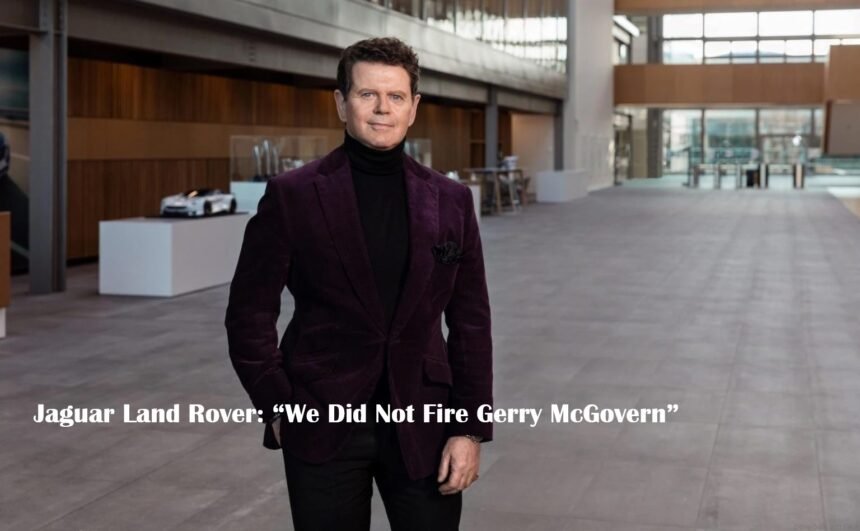
Jaguar Land Rover (JLR) has recently been at the center of intense media attention amid conflicting reports about the status of one of its most influential executives. The company’s official stance, “We did not fire Gerry McGovern,” was issued after numerous rumors spread across automotive news channels and social discussions. This article explores the context, the surrounding events, and what this means for JLR going forward.
Who Is Gerry McGovern?
Gerry McGovern is a renowned British car designer, widely credited with shaping JLR’s design language for more than two decades. He has served as Chief Creative Officer and been responsible for leading the design teams across both Jaguar and Land Rover brands.
During his tenure, McGovern guided the creation of high-profile vehicles such as the Range Rover Evoque, the Range Rover Velar, the Land Rover Defender, and other key models that helped define the modern identity of the company’s lineup.
McGovern’s career began outside JLR. He worked with multiple automotive companies, including a stint at Ford and early roles in concept and production design. In 2004, he rejoined the British automaker that would eventually become Jaguar Land Rover and steadily rose through its design ranks. His influence extended beyond individual models to overall brand expression and visual identity.
The Rumors That Sparked Controversy
In early December 2025, reports circulated claiming that Gerry McGovern had been dismissed from his position at Jaguar Land Rover. Some accounts described him as being abruptly asked to leave the company, with phrases like “escorted out of the office” used to convey the suddenness of the move.
These claims originated from industry insiders and were amplified by various commentators who pointed to recent design decisions and brand strategy as potential causes. The catalyst for much of this debate was the unveiling of the Type 00 concept vehicle, which attempted to redefine Jaguar’s future electric vehicle identity.
This concept drew polarized reactions from fans and critics alike, as it departed sharply from traditional Jaguar design language. At the same time, JLR’s broader rebranding efforts received a mixed reception, adding fuel to speculation about internal disagreements on direction and leadership.
Official Statement From Jaguar Land Rover
Jaguar Land Rover responded directly to the rumors with a clear denial, “It is untrue that we have terminated Gerry McGovern’s employment, and we do not intend to further comment on speculative stories.” This statement was shared through the company’s communications team to clarify its position and counter the claims circulating publicly.
The firm’s statement refrained from providing additional detail about McGovern’s role or future with the company, focusing instead on dismissing the rumors of termination. While brief, the statement aimed to underscore that no employment contract had been ended and that speculative reporting should not be treated as fact.
Why the Rumors Gained Traction
Several factors contributed to the intensity of the rumors about McGovern’s departure:
Leadership Transition
Jaguar Land Rover experienced a significant executive change shortly prior to the rumors. The long-standing CEO, Adrian Mardell, retired, and PB Balaji, a seasoned executive with experience in global automotive operations, stepped into the role. Leadership changes at major companies often lead to internal restructuring or shifts in strategic vision, which can trigger speculation about roles and responsibilities.
Brand Strategy and Design Reaction
The introduction of the Type 00 concept and the broader rebrand strategy received notable public attention. Some loyal enthusiasts criticized the new approach, arguing that it diverged from the marque’s heritage. Such highly visible reactions often lead to assumptions about internal accountability, including who is held responsible for controversial decisions.
Media and Social Amplification
In today’s automotive news environment, speculation and unverified claims can spread rapidly, especially when tied to high-profile figures like McGovern. These narratives can gain momentum before official clarifications are issued, making the subsequent denials and corrections seem reactive rather than proactive.
The Broader Context for Jaguar Land Rover
Jaguar Land Rover is navigating a period of transformation that goes beyond a single executive or design project. The company faces strategic challenges, including:
Electrification Shift
Like many legacy automakers, JLR has committed to transitioning from internal combustion engines to electrified powertrains. This shift requires rethinking vehicle portfolios, investments, and market positioning in an increasingly competitive electric vehicle landscape.
Brand Identity Evolution
Balancing heritage with innovation is a delicate task for legacy brands like Jaguar and Land Rover. Efforts to modernize and appeal to new customer segments are essential, but they must resonate with existing loyal buyers and broader audiences alike. The Type 00 concept can be seen as part of that effort, even as it drew divergent opinions.
Market Pressures
Beyond design and branding, JLR faces global economic and industry pressures, including supply chain disruptions, fluctuating demand in key regions, and the need to maintain profitability during large-scale transition investments. These factors create an environment where every public development can become consequential.
What This Means for McGovern and JLR
The denial of the firing does not necessarily signal a return to business as usual. Rather, it reflects a measured response to unfounded claims. McGovern’s extensive experience and longstanding role within JLR suggest he remains a figure of influence, even amid evolving corporate priorities.
At the same time, JLR’s choice to publicly correct the record underscores the need for clarity and stability in messaging. As automotive brands adapt to rapid change, transparent leadership communication becomes a strategic asset.