


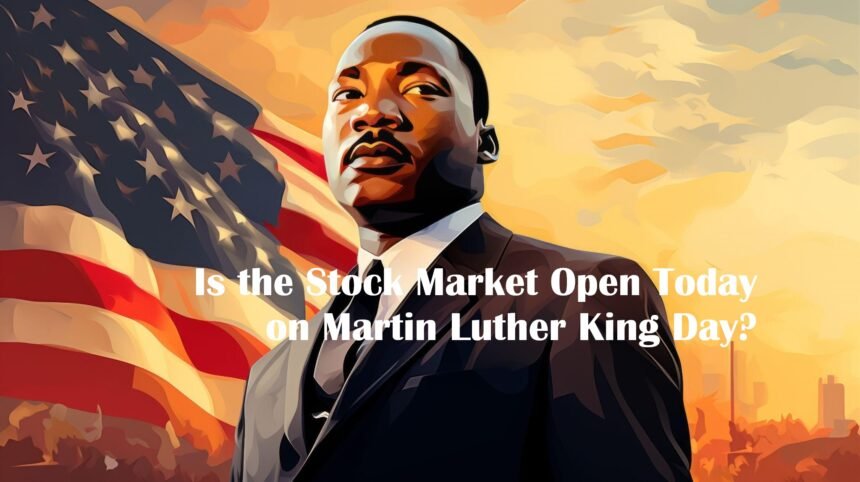
Martin Luther King Jr. Day is a federal holiday in the United States. It honors the life and legacy of Dr. Martin Luther King Jr. Many people take the day off from work. Schools and government offices close. This often leads investors to ask one important question. Is the stock market open today on Martin Luther King Day?
The answer matters to traders, long-term investors, and businesses. Financial markets follow specific holiday schedules. These schedules do not always match federal holidays. Understanding the difference helps investors plan better.
Understanding Martin Luther King Day as a Federal Holiday
Martin Luther King Jr. Day falls on the third Monday of January each year. The federal government officially recognizes this day. Banks, post offices, and courts usually close. Many private companies also give employees a day off.
Despite its federal status, not every institution shuts down. Financial markets follow rules set by their governing bodies. This creates confusion for investors who expect all markets to close.
Is the Stock Market Open on Martin Luther King Day?
The U.S. stock market does not open on Martin Luther King Day. Major exchanges close for the full day. This includes the New York Stock Exchange and the Nasdaq. Trading does not occur during regular hours. Investors cannot buy or sell stocks through these exchanges.
Market activity resumes on the next business day. This closure applies to equities and many exchange-traded products. Mutual funds also pause trading. Orders placed on the holiday wait until markets reopen.
What Happens to Bond Markets on This Holiday?
Bond markets follow a slightly different schedule. On Martin Luther King Day, the bond market also closes. This includes U.S. Treasury markets and corporate bond trading. The Securities Industry and Financial Markets Association recommends a full closure.
As a result, bond transactions do not process that day. Settlement moves to the next business day. This unified closure simplifies planning for institutional investors. Retail investors also benefit from clarity.
Why the Market Closes on Martin Luther King Day
The closure reflects respect for the holiday’s importance. Dr. King’s influence extends beyond civil rights. His work shaped social and economic discussions across the nation. Financial institutions recognize this significance.
Closing the markets allows employees to observe the day. It also aligns Wall Street with national values. Over time, Martin Luther King Day gained equal status with other major market holidays. These include Presidents’ Day and Independence Day.
How This Holiday Affects Investors
A closed market changes short-term strategies. Day traders pause activity. Long-term investors often ignore the interruption. Some investors adjust positions before the holiday. Others wait until markets reopen.
Trading volume often rises the day before or after the break. Global markets may still operate. International stocks can move while U.S. markets remain closed. This can lead to price gaps when trading resumes.
Can You Place Trades on Martin Luther King Day?
Most brokerage platforms allow order placement. However, execution does not happen until the next trading session. Limit orders stay queued. Market orders execute at the next opening price.
Investors should consider potential volatility. News events can occur during the holiday. Earnings announcements or global developments may affect prices. Traders should remain aware even during closures.
Comparing Martin Luther King Day to Other Market Holidays
Not all federal holidays close the stock market. Veterans Day and Columbus Day keep markets open. This surprises some investors. Martin Luther King Day ranks among full market holidays. Others include New Year’s Day and Thanksgiving Day. The distinction highlights the importance of checking market calendars. Assumptions can lead to missed opportunities or delays.
Planning Ahead for Market Closures
Investors benefit from knowing holiday schedules in advance. Many brokers publish annual calendars. These tools help with portfolio management. Automatic investments also follow market schedules. The contributions process on open days only. This affects retirement accounts and recurring trades. Awareness reduces stress and confusion. It also improves financial discipline.
What Happens When Markets Reopen?
Trading resumes the following Tuesday. Volume often returns to normal levels. Sometimes it spikes due to delayed reactions. Prices may reflect news from the holiday period. Investors should review headlines before placing trades. Market trends usually continue unless major events intervene. One closed day rarely changes long-term performance.
Final Thoughts on Martin Luther King Day and the Stock Market
The stock market remains closed on Martin Luther King Jr. Day. This includes both stock and bond markets. Investors cannot trade during regular hours. The closure honors a national figure who shaped American history.
Financial markets align with that recognition. Investors should plan ahead and stay informed. Understanding holiday schedules supports smarter decisions. When markets reopen, trading continues as usual.