


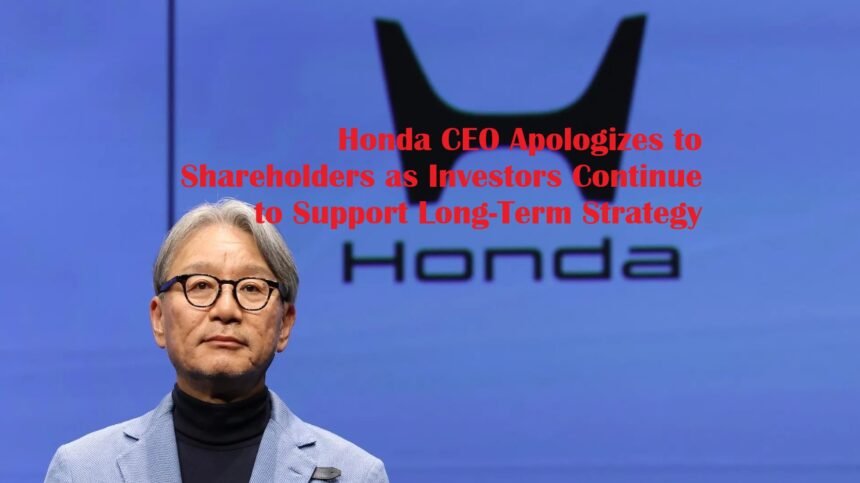
Honda entered its latest annual shareholders’ meeting under growing pressure. The company has faced weaker earnings, changing market conditions, and rising competition across several regions. These challenges have affected financial performance and increased questions about future growth. During the meeting, Honda’s chief executive acknowledged the company’s recent struggles. He expressed regret over the disappointing financial results and accepted responsibility for the performance.
His remarks reflected the importance of accountability in corporate leadership. Despite the difficult year, many shareholders continued to support the company’s leadership. Investors recognized that the automotive industry faces major changes that affect nearly every global manufacturer.
Financial Pressure Tests the Business
Automakers around the world continue to deal with a difficult operating environment. Higher production costs, economic uncertainty, and shifting consumer preferences have reduced profit margins. Honda also faces intense competition in both traditional vehicles and electric models.
Customers now expect advanced technology, better efficiency, and competitive pricing. Meeting these demands requires significant investment. Currency movements and supply chain adjustments have added further pressure. These factors have influenced production planning and overall business performance.
Management believes careful cost control will help improve profitability over time. The company also plans to strengthen operational efficiency across several business divisions.
CEO Accepts Responsibility
Corporate leaders often face difficult questions during annual meetings. Shareholders expect honest communication, especially after weaker financial results. Honda’s chief executive addressed these concerns directly. He apologized for the company’s recent performance and emphasized management’s commitment to improvement.
Such statements can strengthen investor confidence when accompanied by clear action plans. Investors generally value transparency during periods of uncertainty. The leadership team also outlined several priorities for the coming years. These goals include improving profitability, accelerating innovation, and strengthening global competitiveness.
Investors Continue to Show Confidence
Although earnings disappointed many shareholders, investor support remained relatively strong during the meeting. Shareholders appeared willing to give management additional time to execute its strategy. Many investors understand that the automotive sector is experiencing one of its largest transitions in decades.
Companies must balance short-term financial performance with long-term investment. Developing new vehicle platforms requires significant capital. Software development, battery technology, and digital services also demand substantial resources. Investors often accept temporary financial pressure when management presents a credible long-term vision.
Electric Vehicles Shape Future Growth
Honda continues to increase its focus on electric mobility. The company views electrification as one of its highest strategic priorities. Governments around the world continue to introduce stricter environmental regulations. Consumer demand for cleaner transportation also continues to grow. Honda plans to expand its electric vehicle lineup over the coming years.
New models will target different customer segments and major global markets. The company also continues investing in battery technology and manufacturing partnerships. These investments support future product development and improve long-term competitiveness. Success in electric vehicles will likely play a major role in Honda’s future financial performance.
Innovation Extends Beyond Electric Cars
Honda’s strategy includes more than battery-powered vehicles. The company also invests in software, connected technologies, and advanced safety systems. Modern customers expect vehicles that offer seamless digital experiences. They value intelligent navigation, driver assistance, and over-the-air software updates.
Honda aims to strengthen these capabilities across future vehicle generations. Research also continues in autonomous driving technologies. Although widespread adoption may take time, these systems represent another important area of long-term investment. Innovation remains essential for maintaining a competitive position in the global automotive market.
Global Competition Continues to Intensify
The automotive industry has become increasingly competitive. Traditional manufacturers now compete with new companies that focus entirely on electric vehicles. Chinese manufacturers continue to expand internationally through competitive pricing and rapid product development. Other global brands also increase investments in advanced technologies.
Honda must respond through faster innovation, efficient manufacturing, and attractive product offerings. Brand reputation remains one of Honda’s strongest advantages. Many customers continue to value the company’s reliability, quality, and engineering expertise. Maintaining these strengths while embracing new technologies will remain a key objective.
Cost Discipline Supports Long-Term Stability
Management continues reviewing operational efficiency throughout the organization. Careful cost management helps preserve profitability during uncertain market conditions. Honda seeks opportunities to improve manufacturing productivity and optimize resource allocation. These efforts support future investment without compromising product quality.
The company also continues evaluating supply chain resilience. Stable supplier relationships reduce operational risks and improve production consistency. Financial discipline allows Honda to invest strategically while protecting long-term shareholder value.
Shareholder Communication Builds Trust
Annual meetings provide an important opportunity for direct communication between executives and investors. Shareholders expect clear explanations about financial performance, future risks, and strategic priorities. Honest discussions often strengthen confidence during challenging periods. Honda’s leadership emphasized transparency throughout the meeting.
Executives explained current challenges while outlining plans for future improvement. This approach demonstrated the company’s commitment to responsible corporate governance. Strong communication alone cannot solve financial problems. However, it can strengthen relationships with investors who support long-term growth.
Outlook Remains Focused on Recovery
Honda enters the coming years with both opportunities and challenges. The global automotive industry continues evolving at an unprecedented pace. Electrification, digital technology, and sustainability will shape future competition. Companies that adapt quickly may strengthen their market positions.
Honda’s leadership believes disciplined execution will improve financial performance over time. Continued investment in innovation should support future growth across key markets. The recent shareholder meeting highlighted both concern and confidence. Investors acknowledged current difficulties while supporting management’s long-term direction.
The company’s future will depend on its ability to execute strategic plans, control costs, and deliver products that meet changing customer expectations. If Honda achieves these objectives, it may emerge stronger from today’s challenging business environment.