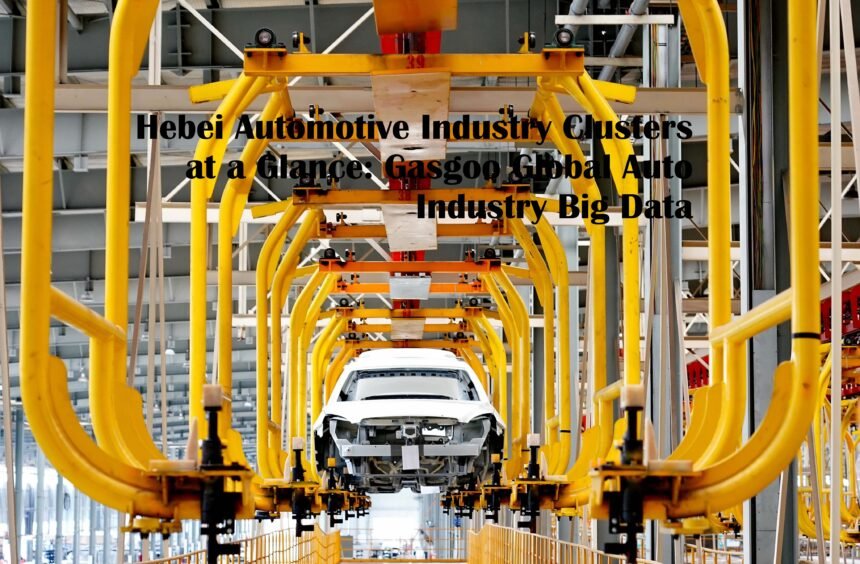
Hebei Province has emerged as one of China’s most important automotive manufacturing hubs. The region combines vehicle assembly, parts production, smart manufacturing, and new energy vehicle development within a single, interconnected ecosystem. Strong industrial coordination supports rapid growth across multiple cities.
According to recent insights from Gasgoo Global Auto Industry Big Data, Hebei now hosts several specialized automotive clusters that strengthen China’s wider supply chain network. The province benefits from a strategic location near Beijing and Tianjin. This position improves logistics efficiency and supports close cooperation with national manufacturers and suppliers.
Local governments continue to encourage industrial upgrades, technology investment, and the development of intelligent manufacturing. As a result, Hebei attracts both domestic and international automotive companies.
Baoding Leads Hebei’s Automotive Ecosystem
Baoding stands at the center of Hebei’s automotive industry. The city has built a complete industrial ecosystem around vehicle manufacturing, research, and core component production. Major automakers and suppliers operate in the area, creating strong collaboration across the supply chain. The city benefits from the strong influence of Great Wall Motors.
Its presence drives investment in research facilities, intelligent systems, and advanced manufacturing technologies. Many local suppliers support vehicle electronics, battery systems, thermal management products, and automotive interiors. Baoding also attracts international Tier 1 suppliers. Global companies invest in the city because of its mature supply chain and skilled workforce.
This combination improves production efficiency and increases regional competitiveness. The local government encourages innovation through industrial parks and manufacturing incentives. Many firms now focus on electric vehicles and smart mobility technologies. These efforts help Baoding remain competitive in China’s fast-changing automotive market.
Cangzhou Expands Automotive Manufacturing Capacity
Cangzhou has become another important automotive cluster in Hebei Province. The city focuses heavily on vehicle manufacturing and supporting components. Industrial growth in the area continues to accelerate because of strong investment and manufacturing expansion. Automotive electronics and interior systems represent major strengths for Cangzhou.
Suppliers in the region produce components for both domestic and international manufacturers. The city also benefits from a convenient transportation infrastructure that supports large-scale logistics operations. Manufacturers in Cangzhou increasingly integrate automation into production processes.
Smart factories improve efficiency while reducing operational costs. These improvements support long-term industrial competitiveness. Local authorities continue promoting industrial cooperation between automakers and component suppliers. This strategy helps companies shorten production cycles and improve product quality.
Shijiazhuang Strengthens High-Tech Manufacturing
Shijiazhuang plays a growing role in Hebei’s automotive transformation. The city focuses on high-tech manufacturing and intelligent industrial development. Companies in the region invest heavily in advanced production systems and digital technologies.
The city supports research activities linked to smart mobility and electrification. Many enterprises now develop products connected to autonomous driving, intelligent cockpits, and energy management systems. These technologies align with China’s broader automotive modernization goals.
Shijiazhuang also benefits from strong academic and technical resources. Universities and research institutions support innovation through engineering programs and industrial partnerships. This environment helps manufacturers improve technical capabilities and product development.
Industrial parks in the city provide infrastructure for both startups and established manufacturers. As a result, automotive technology companies continue expanding their presence in the region.
Xingtai Supports Specialized Parts Production
Xingtai contributes to Hebei’s automotive ecosystem through specialized component manufacturing. The city focuses on precision parts, supporting equipment, and industrial materials. Its manufacturing base complements larger assembly centers across the province. Many local companies supply braking systems, chassis components, and mechanical products.
These firms support both traditional fuel vehicles and new energy vehicles. The region’s industrial flexibility helps suppliers adapt to changing market demands. Xingtai also benefits from lower operating costs compared with larger metropolitan areas. This advantage attracts manufacturers seeking cost-efficient production locations.
Companies can maintain competitive pricing while expanding manufacturing output. Local industrial policies encourage modernization and equipment upgrades. Many factories now adopt digital systems to improve quality control and manufacturing accuracy.
New Energy Vehicles Drive Future Growth
New energy vehicles now shape the future direction of Hebei’s automotive clusters. Manufacturers across the province increasingly invest in battery systems, electric drivetrains, and intelligent vehicle technologies. This transition supports China’s national carbon reduction and green mobility goals. Gasgoo data shows strong growth in automotive electrification across China.
Battery systems, thermal management technologies, and intelligent driving solutions continue expanding rapidly. Hebei’s industrial network benefits from this broader national trend. Many suppliers in Hebei now focus on products linked to electric mobility. Companies develop battery packs, cooling systems, and lightweight materials for modern electric vehicles.
Research investment also continues rising across the province. The integration of artificial intelligence into vehicles creates additional opportunities for Hebei manufacturers. Smart cockpit systems, advanced driver assistance technologies, and connected vehicle solutions become increasingly important in regional production strategies.
Industrial Clusters Improve Supply Chain Efficiency
Industrial clustering provides major advantages for Hebei’s automotive sector. Concentrated supplier networks reduce logistics costs and improve communication between manufacturers. Companies can respond faster to production changes and market demand. Close cooperation among suppliers also encourages innovation.
Firms share technical knowledge and collaborate on product development projects. This environment strengthens the competitiveness of the entire regional ecosystem. Hebei’s industrial clusters also support resilience during global supply chain disruptions.
Localized production networks reduce dependence on distant suppliers. This structure improves operational stability for manufacturers and component producers. Digital technologies further enhance cluster efficiency. Data-driven manufacturing systems help companies monitor production, improve inventory management, and optimize logistics operations.
Hebei’s Strategic Position in China’s Auto Industry
Hebei continues strengthening its role within China’s automotive industry. The province combines traditional manufacturing strengths with modern industrial innovation. Cities across the region specialize in different areas while maintaining close industrial coordination.
Baoding leads vehicle manufacturing and technology development. Cangzhou expands production capacity and component supply. Shijiazhuang promotes intelligent manufacturing and research. Xingtai supports precision parts production. Together, these cities form a highly integrated automotive ecosystem.
Gasgoo Global Auto Industry Big Data highlights how Hebei’s industrial clusters continue evolving toward smarter, greener, and more technology-focused development. The province now represents an important example of regional automotive transformation in China’s rapidly changing mobility market.