



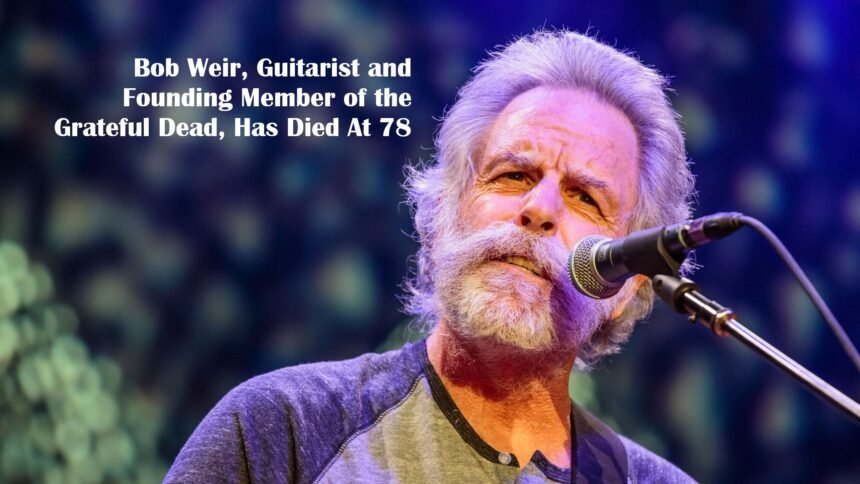
Bob Weir, the legendary guitarist and founding member of the Grateful Dead, has passed away at 78. His death marks the end of an era for one of America’s most iconic rock bands. Weir’s contributions to music spanned decades, influencing generations of musicians and fans alike.
Early Life and Musical Beginnings
Born in San Francisco, Bob Weir began playing guitar at an early age. He quickly developed a style that blended folk, blues, and rock influences. During his teenage years, Weir formed several bands before meeting Jerry Garcia, Phil Lesh, and other future members of the Grateful Dead.
Weir’s passion for music was evident in his dedication to learning and experimenting with different sounds. He studied various guitar techniques and often collaborated with peers to refine his unique style.
Formation of the Grateful Dead
In 1965, Weir co-founded the Grateful Dead, a band that would become a defining force in the counterculture movement. The group gained fame for its eclectic sound, improvisational jams, and devoted fanbase known as “Deadheads.”
Weir’s rhythm guitar work provided the foundation for the band’s extended live performances. His ability to adapt to spontaneous musical shifts became a hallmark of the Grateful Dead’s sound. He was celebrated for both technical skill and creative versatility.
Musical Innovations and Contributions
Over the decades, Bob Weir contributed to numerous albums and songs that defined the Grateful Dead’s legacy. He often co-wrote tracks that showcased his lyrical and melodic sensibilities.
Fans admired his willingness to experiment with different genres, blending rock with country, jazz, and psychedelic influences. Weir’s work extended beyond performance; he was also involved in production and arrangement, shaping the overall sound of the band.
Solo Projects and Collaborations
In addition to his work with the Grateful Dead, Weir pursued solo projects and collaborations. He formed bands like RatDog and played with other prominent musicians. These efforts allowed him to explore new musical directions while maintaining the spirit of improvisation.
Weir’s collaborations often highlighted his adaptability. He seamlessly integrated with different groups, demonstrating a deep understanding of musical dynamics. His solo work provided fans with a fresh perspective on his artistry.
Influence on Popular Music
Bob Weir’s influence on popular music is immeasurable. Guitarists and musicians across genres cite him as an inspiration. His approach to rhythm, timing, and improvisation has been studied and emulated by many.
Beyond technical skill, Weir inspired a philosophy of musical exploration. He encouraged others to embrace creativity, collaboration, and risk-taking in performance. This ethos continues to resonate in the music community.
Legacy and Cultural Impact
Weir’s death has prompted tributes from fellow musicians, fans, and cultural commentators. His role in shaping the Grateful Dead’s legacy is widely acknowledged. The band’s recordings and live performances remain influential and widely celebrated.
The “Deadhead” community reflects the enduring cultural impact of Weir and his bandmates. Their dedication to music, live shows, and shared experiences has helped preserve the band’s spirit. Weir’s contributions to this movement cannot be overstated.
Personal Life
Outside of music, Bob Weir was known for his dedication to family and friends. He often balanced a busy touring schedule with personal commitments. Friends recall his humor, kindness, and unwavering passion for life.
Weir also engaged in charitable work and environmental advocacy. He supported initiatives that aligned with his values and encouraged fellow artists to do the same.
Health and Later Years
In his later years, Weir continued to perform, tour, and record music. Despite facing health challenges, he remained active and engaged with his fans. Concerts in recent years showcased his enduring talent and dedication to the craft.
Fans cherished these performances as a testament to his resilience and love for music. His final shows highlighted both his skill and his commitment to connecting with audiences.
Tributes and Reactions
News of Bob Weir’s passing sparked an outpouring of grief and remembrance. Musicians, collaborators, and fans shared stories and reflections on his life and career. Social media platforms were filled with messages celebrating his impact.
Tributes emphasized his musical genius, creative vision, and personal warmth. Many noted that Weir’s contributions transcended the stage, influencing music, culture, and community.
Continuing Influence
Even after his death, Bob Weir’s influence will persist. His recordings, live performances, and collaborations continue to inspire new generations of musicians. The principles of improvisation, experimentation, and connection that he embodied remain central to modern music.
Music scholars and fans alike study his work, ensuring that his legacy endures. Tribute concerts, recordings, and documentaries are expected to preserve his memory for years to come.