



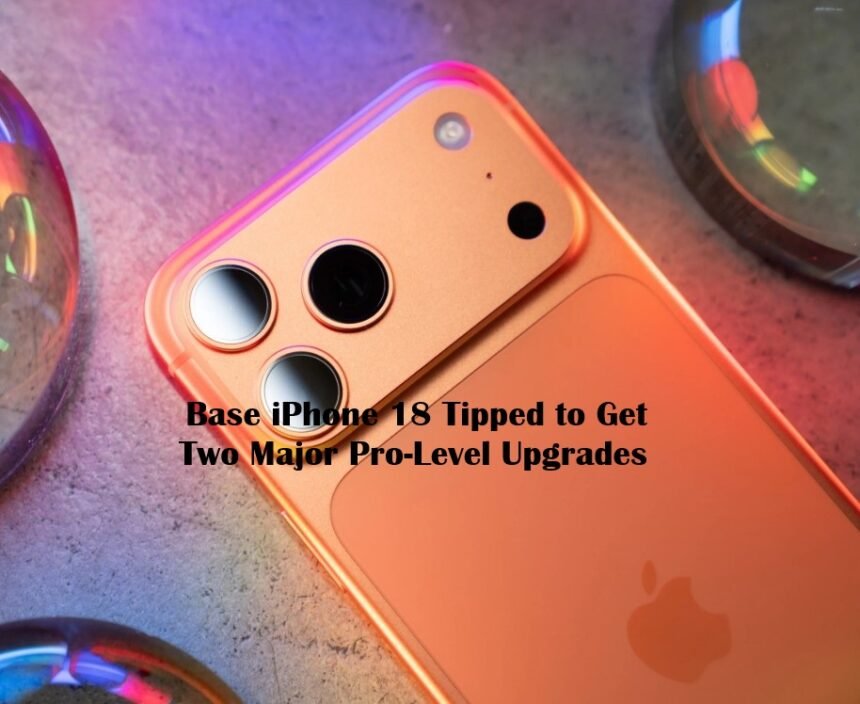
Industry leaks indicate that Apple plans to equip its base-model iPhone 18 with two major features previously reserved exclusively for Pro models. Recent supply chain reports suggest that the standard iPhone 18 will introduce ProMotion display technology and an upgraded variable aperture main camera. These hardware additions could narrow the feature gap between standard models and higher-tier Pro devices significantly. The upcoming shift marks a notable strategy update for the tech giant’s smartphone lineup.
For several years, display refresh rates and advanced camera hardware served as primary selling points for Pro models. Adding these technologies to the standard flagship makes high-end mobile experiences accessible to a much broader consumer market.
Bringing ProMotion Smoothness to the Standard iPhone Lineup
The adoption of ProMotion technology represents one of the most anticipated upgrades for the entry-level flagship. ProMotion allows the display to adjust its refresh rate dynamically up to 120Hz depending on active content. Users experience significantly smoother scrolling, fluid system animations, and improved touch responsiveness across the operating system.
Furthermore, the integration of Low-Temperature Polycrystalline Oxide (LTPO) panel technology allows the display to drop its refresh rate down to 1Hz when viewing static images. This extreme variability saves substantial battery power during low-activity tasks. The hardware transition also enables Always-On display capabilities for the standard model for the very first time.
- Fluid Scrolling: 120Hz refresh rate delivers buttery-smooth visual transitions and UI animations.
- Adaptive Battery Savings: The screen automatically throttles down to 1Hz to conserve energy.
- Always-On Support: Users can view clock widgets and notifications on a dimmed lock screen.
- Enhanced Gaming: Higher frame rates improve touch response times during fast-paced mobile games.
Variable Aperture Technology Redefines Mobile Photography
Alongside display enhancements, supply chain analysts expect the base iPhone 18 to gain a variable aperture main camera lens. Traditional smartphone cameras utilize fixed aperture openings, limiting optical control over depth-of-field and light intake.
A physical variable aperture allows the camera module to adjust its lens iris depending on ambient lighting conditions. In bright sunlight, the camera mechanical system narrows the aperture opening to produce crisp, edge-to-edge sharp images without overexposing highlights.
Conversely, in dim environments, the lens opens wider to let in maximum light naturally. This physical adjustment reduces the reliance on heavy computational noise-reduction software, resulting in cleaner and more authentic photos.
- Natural Depth Control: Mechanical iris adjustments create genuine background blur without digital software artifacts.
- Low-Light Clarity: Wider physical openings allow more natural light to hit the primary image sensor.
- Sharper Landscape Shots: Narrower apertures maintain edge sharpness across wide landscape photos.
- Reduced Motion Blur: Increased light gathering allows faster shutter speeds during night photography.
Closing the Gap Between Standard and Pro Devices
The addition of ProMotion and variable aperture technology signals a fundamental realignment of product differentiation across the smartphone portfolio. Historically, hardware boundaries kept budget-conscious consumers from enjoying fluid screens and professional camera controls. Elevating the standard model ensures that entry-level users still receive cutting-edge hardware features.
However, Apple will likely maintain key strategic distinctions to justify the higher price point of Pro models. Pro devices will likely keep exclusive access to dedicated telephoto zoom lenses, higher storage tiers, and premium chassis materials like titanium. This tiered approach protects premium margins while improving the overall value proposition of the standard device.
- Elevated Baseline Value: Consumers get premium screen and camera tech at standard flagship pricing.
- Distinct Pro Features: Zoom telephoto hardware and premium chassis materials remain Pro exclusives.
- Broader Ecosystem Appeal: High-end features attract Android upgraders seeking value-packed iOS options.
- Streamlined Component Supply: Shared display and camera tech simplifies multi-tier manufacturing lines.
Market Implications and Competitive Pressure
Delivering 120Hz displays and adjustable camera hardware across the entry-level lineup places immense pressure on rival smartphone manufacturers. Many competing Android brands already offer high-refresh-rate displays on mid-range devices.
Upgrading the base iPhone standard removes a long-standing criticism from tech enthusiasts and competitive reviews.Supply chain partners are expanding LTPO display panel production capacity to meet the massive volume demands of base-model manufacturing.
The sheer scale of standard iPhone sales will lower component manufacturing costs across the industry over time. Consequently, advanced display and optical components will become more widespread throughout the broader mobile device ecosystem.
- Rivalry Response: Competing brands must innovate beyond 120Hz to maintain hardware differentiation.
- Massive Supply Scale: High-volume production reduces overall costs for LTPO display panels.
- Upgrade Incentive: Older iPhone owners gain compelling reasons to replace legacy 60Hz devices.
- Ecosystem Standardization: High refresh rates become the absolute default across all premium devices.
The Future Outlook for the Standard Flagship Lineup
The upcoming base iPhone 18 promises to redefine customer expectations for standard flagship smartphones. Equipping the core device with ProMotion displays and variable aperture cameras bridges the gap between everyday utility and professional performance.
As release dates approach, supply chain developments will reveal more details regarding precise sensor sizes and panel specifications. Nevertheless, these leaked upgrades suggest that future consumers will no longer need to buy the most expensive model just to enjoy a top-tier visual and photographic experience.