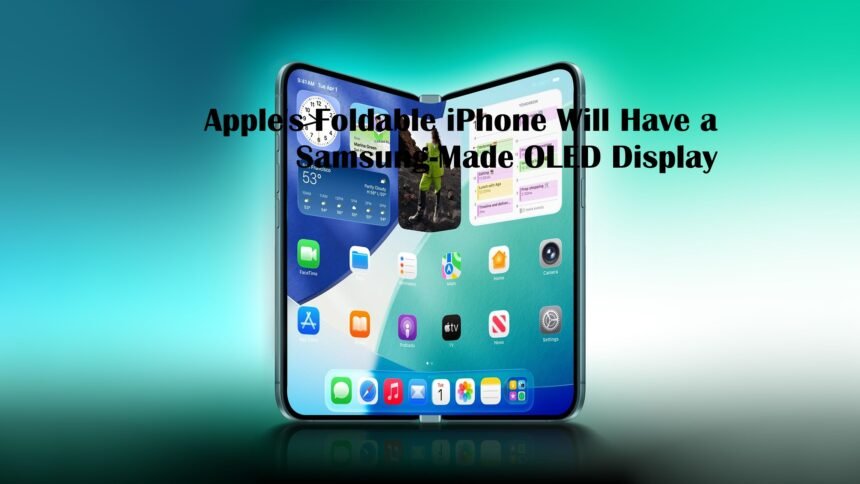
Apple’s first foldable iPhone is shaping up to be a major product release in the company’s history. Recent supply chain developments indicate a crucial deal that will determine how the device’s display hardware is sourced. According to reports, the foldable iPhone will use OLED panels supplied exclusively by Samsung for a defined period. This agreement marks a significant milestone for Apple as it enters the highly competitive foldable smartphone market.
The Exclusive OLED Panel Agreement
Apple has struck an agreement to source foldable OLED panels exclusively from Samsung Display for the next three years. Under this arrangement, Samsung will be the sole supplier of the flexible screens that will be used in the upcoming foldable iPhone models. This level of exclusivity suggests that Samsung’s technology meets Apple’s high standards for performance and reliability.
The contract is also indicative of Apple’s confidence in Samsung’s manufacturing capabilities. The decision to partner with Samsung was reportedly influenced by the limited number of display makers capable of producing high‑quality foldable OLED panels.
Apple is said to have opted for security and stability in supply chain logistics, choosing to work with a single trusted vendor. This move avoids possible disruptions that might arise from relying on multiple partners for such a critical component.
Why Samsung Was Chosen
Samsung Display has long been a leader in flexible OLED technology. The company’s expertise in producing displays that can bend without breaking has made it the go‑to supplier for foldable devices. Over the past few years, Samsung’s foldable screen solutions have been iterated and refined through devices like the Galaxy Z Fold and Galaxy Z Flip series.
Many in the industry believe that Apple’s foldable iPhone will carry forward this same expertise. Reports indicate that Samsung’s panels may have advantages, such as the ability to reduce visible crease lines when unfolded.
While no official specifications have been confirmed by Apple, insider leaks suggest that foldable OLED panels may incorporate advanced support structures and hinge‑compatible materials that minimise fold marks and maximise durability. This would help Apple achieve a premium foldable display experience that aligns with its reputation for refined design.
Display Production and Volume Expectations
Samsung’s role as the exclusive supplier is expected to influence production timelines and initial shipment volumes for the foldable iPhone. Since this is Apple’s first foray into foldable devices, analysts anticipate cautious production runs in the beginning.
Estimates from industry sources hint that Samsung could build millions of these displays annually to meet global demand. The decision to limit supply to a single manufacturer also means that Apple may have tighter control over quality and consistency.
With Samsung’s extensive experience in flexible display production, it is expected that early production units will benefit from lessons learned in the evolution of other foldable devices. Ultimately, this could result in a more reliable and appealing product for consumers.
What This Means for Apple’s Foldable iPhone
Apple’s adoption of Samsung‑made foldable OLED screens shows that the company is serious about entering the foldable space with a competitive product. The OLED technology is known for its vibrant colours, high contrast ratios, and energy efficiency, making it an ideal choice for the immersive experience that a foldable phone aims to deliver.
These qualities are likely to become selling points for Apple’s first foldable device. Beyond the display, the foldable iPhone is expected to carry other premium features that reflect Apple’s focus on innovation.
Rumours suggest that the device will boast a large internal screen, a secondary external display, powerful processing hardware, and software enhancements designed specifically for the foldable form factor. While these details are not yet confirmed, the display component is already shaping up to be a standout feature.
Technical Challenges and Engineering Considerations
Developing a foldable device poses multiple engineering challenges, especially in terms of hinge design, internal component arrangement, and long‑term durability. Reports indicate that Apple is working through some of these issues as part of the development cycle. These technical hurdles could impact the timeline for mass production and the eventual release date.
However, Apple’s decision to secure a multi‑year exclusive agreement with Samsung Display suggests confidence that these challenges are being addressed. By focusing on proven OLED display technology and established manufacturing processes, the company may be better positioned to deliver a final product that meets its standards for quality and reliability.
Market Competition and Industry Impact
Entering the foldable market puts Apple in direct competition with existing products that have been available for years. Samsung, in particular, has been a dominant force in this sector with its Galaxy Z Fold and Galaxy Z Flip lines.
By choosing Samsung as its display supplier, Apple may benefit from existing supply chain frameworks and display research that have been refined over multiple product generations.
At the same time, bringing a foldable iPhone to market could spur greater interest in the form factor and encourage other manufacturers to innovate further. Apple’s entry into this space is likely to generate significant attention and could accelerate adoption among consumers who have been waiting for a high‑end foldable experience.
Looking Ahead: Expectations for Launch
While an official release timeline has not been confirmed, current industry speculation suggests that Apple’s foldable iPhone could debut later this year or in early 2027. As the company finalises design, production, and software optimisation, more detailed information will likely emerge.
For now, the exclusive OLED panel deal with Samsung stands as a cornerstone of Apple’s strategy for its first foldable device. In conclusion, the partnership between Apple and Samsung Display highlights the importance of high‑quality foldable OLED technology in the next generation of smartphones.
Apple’s move into foldables with Samsung‑made screens may lead to a compelling product that blends innovative hardware with refined usability. Only time will tell how this collaboration will shape consumer expectations and industry trends.