



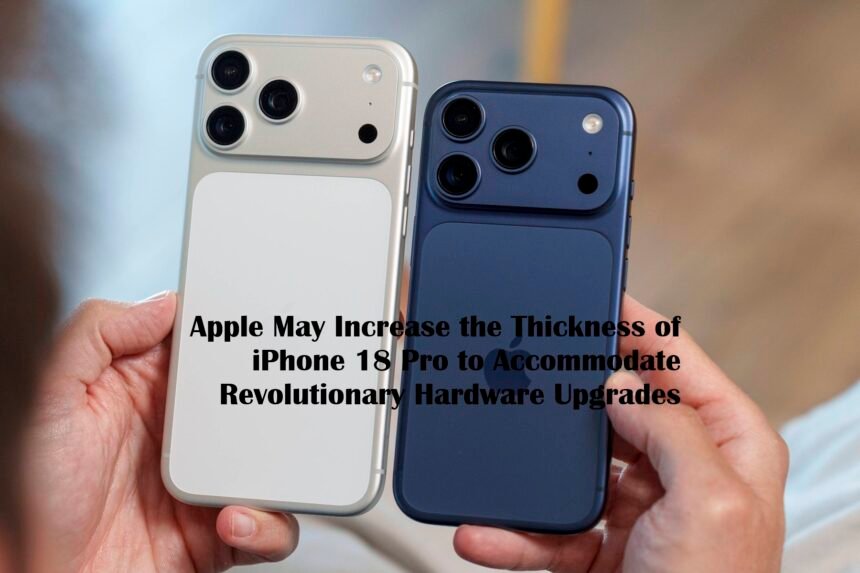
The smartphone industry constantly pushes the boundaries of design, balancing aesthetic elegance with powerful technical capabilities. Apple has historically prioritized sleek, thin profiles for its flagship mobile devices to satisfy consumer preferences. However, a major design shift may occur with the introduction of the future iPhone 18 Pro models.
Industry insiders suggest that the upcoming premium device could become noticeably thicker than the predecessor models. This structural modification represents a significant departure from the company’s traditional engineering philosophy. Instead of pursuing thinness, developers are prioritizing internal space to house groundbreaking hardware upgrades.
Consumers who value battery longevity and advanced photography will likely welcome this tactical transformation enthusiastically. This potential change highlights a broader evolution in consumer expectations regarding high-end mobile technology.
Users now demand professional-grade camera capabilities, faster processing speeds, and long-lasting battery performance from their devices. Meeting these diverse technological requirements simultaneously places extreme pressure on the physical limits of internal phone architecture.
A thicker chassis provides engineers with the valuable breathing room necessary to install larger physical components. While some purists might prefer a slimmer phone, the practical benefits of a larger frame will likely outweigh minor aesthetic drawbacks. The tech community is already generating intense discussion regarding the exciting possibilities that this extra physical space creates.
Enhancing Thermal Management Architecture for Next Generation Mobile Chips
Modern processors generate substantial amounts of heat when executing intensive computational tasks like mobile gaming or generative artificial intelligence. Managing this thermal energy efficiently represents a major hurdle for contemporary smartphone design teams.
A thicker smartphone body allows Apple to install a significantly enhanced and highly robust thermal dissipation system. Engineers can utilize larger internal graphite sheets or even advanced vapor chamber technology within the extra space. Keeping the processing unit cool ensures consistent performance levels without experiencing sudden speed throttling during heavy workloads.
Users will enjoy a smoother, more reliable computing experience across all demanding applications. Furthermore, proper heat regulation directly protects the long-term health of internal electronic components. Excessive heat exposure accelerates the degradation of lithium-ion batteries and sensitive image sensors over time.
By allocating more physical space to thermal architecture, the corporation ensures that the device maintains peak efficiency throughout its multi-year lifecycle.
This engineering choice aligns perfectly with modern sustainability goals and consumer desires for long-lasting electronics. A cooler device also feels much more comfortable to hold in the hand during extended gaming sessions. This practical improvement directly enhances user satisfaction while reducing hardware failure rates.
Integrating Larger Optical Sensors and Advanced Zoom Lens Components
The rear camera housing has steadily expanded on flagship smartphones to accommodate increasingly complex glass elements and sensors. Apple intends to upgrade the photographic capabilities of the upcoming pro lineup to unprecedented levels. Achieving true professional-quality images requires larger physical sensors that can capture more environmental light.
A thicker phone chassis enables the integration of deeper camera assemblies without creating an excessively large camera bump on the back glass. This design compromise keeps the overall look of the phone balanced and visually appealing. Additionally, advanced optical zoom technology requires significant physical depth to move lens elements back and forth internally.
The revolutionary periscope zoom lenses require clever arrangement inside the tight confines of a mobile phone body. Increasing the overall thickness of the device allows engineers to refine this internal layout to achieve higher magnification levels.
Photographers will be able to capture incredibly sharp long-distance images without relying on digital cropping methods. This hardware advancement will solidify the device’s position as a leading tool for content creators and mobile photography enthusiasts worldwide.
Boosting Battery Capacity to Support Energy Intensive Software Features
Battery life remains one of the most critical factors for consumers when selecting a new premium smartphone. Modern operating systems feature complex widgets, real-time tracking, and resource-heavy processing tasks that drain power rapidly. Furthermore, the continuous expansion of high-speed cellular networks demands constant energy from the power cell.
Installing a physically larger and more dense battery requires additional volumetric space inside the device frame. A noticeable increase in phone thickness directly translates to more room for a high-capacity power reservoir. This design strategy will allow the upcoming device to easily survive long days of heavy multimedia use.
Users will no longer feel the constant need to carry portable power banks or search for wall outlets during travel. The extra battery capacity also supports the introduction of advanced on-device artificial intelligence features that run continuously in the background.
These intelligent systems analyze user habits to provide helpful predictions and automate routine tasks seamlessly. Providing a massive battery ensures that these futuristic software features do not compromise the basic usability of the phone.
Reimagining Ergonomics and Handheld Comfort for Daily Device Usage
A thicker phone profile alters how a user interacts with the device on a physical level. Ultra-thin smartphones often feel sharp or difficult to grip securely without utilizing a bulky protective case. A slightly thicker frame can actually improve the overall ergonomics of the device by filling the natural curve of the human hand.
This structural change provides a more confident grip, reducing the likelihood of accidental drops during daily usage. Industrial designers are carefully evaluating various edge curvatures to maximize comfort and accessibility for all hand sizes. Moreover, a sturdier frame increases the structural integrity of the entire smartphone chassis. The device will possess greater resistance against accidental bending pressures when placed inside tight pockets.
Utilizing premium materials like high-strength titanium alongside a thicker frame creates an incredibly durable product. This robustness gives consumers peace of mind when investing their hard-earned money into a premium flagship device. The physical presence of a more substantial phone also conveys a distinct sense of luxury and industrial craftsmanship.
Shaping the Competitive Landscape of Premium Mobile Technology
Apple’s design decisions inevitably influence the entire consumer electronics manufacturing sector. When the market leader prioritizes functional thickness over superficial thinness, competing brands generally follow the trend quickly. This shift could trigger an industry-wide renaissance focused on maximizing internal hardware power rather than engineering impossibly thin frames.
Consumers will ultimately benefit from this change as all manufacturers compete to offer the best battery life and cameras. The smartphone market will transition toward a more practical philosophy where performance reigns supreme. This strategic direction proves that the smartphone industry is entering a mature phase of development.
Companies are no longer chasing gimmicky design trends just to catch the eye of shoppers on retail shelves. Instead, engineers are listening closely to user feedback and focusing on meaningful upgrades that improve daily life. A thicker premium phone marks the beginning of an exciting era where hardware capabilities face fewer artificial boundaries.
The upcoming generation of mobile devices will deliver unparalleled power, exceptional longevity, and professional tools directly to the pockets of millions of users worldwide.