


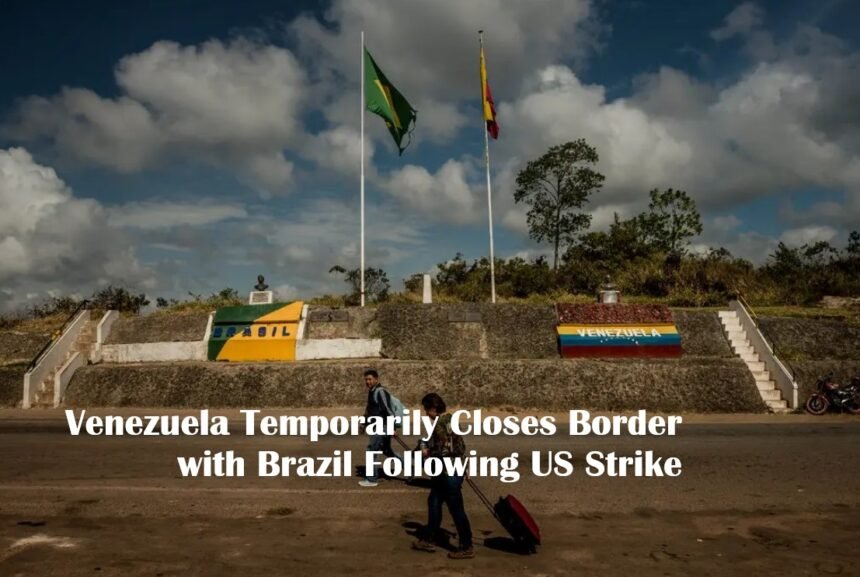
Venezuela has temporarily closed its border with Brazil after a sudden military operation by the United States. The decision was announced by Venezuelan authorities amid growing tensions in the region. The border closure affects several official crossings and has sparked concerns over the humanitarian impacts on local communities.
Background of the US Strike
On January 3, 2026, the United States conducted an airstrike targeting key locations in Venezuela. The operation reportedly involved multiple aircraft and lasted approximately one hour. Venezuelan President Nicolas Maduro was captured during the strike, according to US statements. The US described the operation as a precise intervention against the Venezuelan leadership.
The strike has triggered widespread reactions across Latin America. Neighboring countries expressed alarm over the potential destabilization of the region. Brazil, sharing a lengthy border with Venezuela, is now coordinating with international agencies to monitor the situation.
Immediate Border Closure Measures
Venezuelan Vice President Delcy Rodriguez announced that all official border crossings with Brazil are closed temporarily. Security forces were deployed to checkpoints to prevent unauthorized movement. The government emphasized that the closure is a precautionary measure to ensure national security.
Authorities have also suspended certain cross-border trade activities. Essential goods and humanitarian aid are being rerouted or delayed, affecting thousands of residents in border towns. Venezuelan officials stated that emergency measures are in place to minimize disruption.
Humanitarian and Regional Impacts
The closure has immediate humanitarian implications. Many Venezuelans depend on cross-border trade for food, medicine, and other necessities. Local organizations warned that prolonged restrictions could exacerbate shortages in border areas.
Brazilian authorities have prepared emergency assistance for refugees and migrants who may be stranded. Hospitals and social services in Brazilian border towns are being alerted to a potential increase in arrivals. The UN and regional agencies have also expressed concern about the developing crisis.
Political Tensions and International Reactions
The US operation has intensified political tensions both within Venezuela and internationally. Several Latin American governments condemned the strike, calling it an unlawful intervention. The United Nations urged all parties to avoid escalation and prioritize civilian safety.
In Venezuela, protests and demonstrations were reported in major cities following news of the strike. Supporters of President Maduro demanded his immediate return, while opponents expressed mixed reactions to the US action. The Venezuelan government stressed that national sovereignty must be respected.
Economic Consequences
The border closure has economic ramifications for both Venezuela and Brazil. Trade disruptions are expected to affect agricultural exports, fuel deliveries, and other commercial activities. Analysts warned that prolonged closure could deepen economic instability in Venezuelan border states.
Local businesses in border towns are particularly vulnerable. Many rely on daily cross-border trade to sustain operations. Some Brazilian businesses are preparing contingency plans in case the closure continues for an extended period.
Regional Security Concerns
Security experts highlighted the potential for increased instability in the region. The US operation has set a precedent for direct military interventions in Latin America. Officials in neighboring countries are reviewing defense measures and border protocols.
Military movements and heightened vigilance were reported in both Venezuelan and Brazilian border areas. Analysts suggest that coordination between regional security forces will be crucial in preventing further escalation.
Future Prospects and Diplomatic Efforts
Venezuelan authorities have not yet announced when the border will reopen. Diplomatic channels are reportedly active to negotiate a resolution. International organizations are calling for dialogue to prevent further disruption.
The US government stated that its objective was limited to neutralizing the Venezuelan leadership and that it does not intend to occupy territory. However, analysts warn that long-term effects could include continued regional instability and migration pressures.
Conclusion
The temporary closure of the Venezuela-Brazil border underscores the broader implications of US military interventions. The situation remains fluid, with humanitarian, economic, and security concerns at the forefront. Authorities on both sides of the border are monitoring developments closely.
As Venezuela navigates the aftermath of the US strike, the international community faces pressure to respond effectively. The balance between respecting sovereignty and ensuring regional stability will remain a critical challenge.