


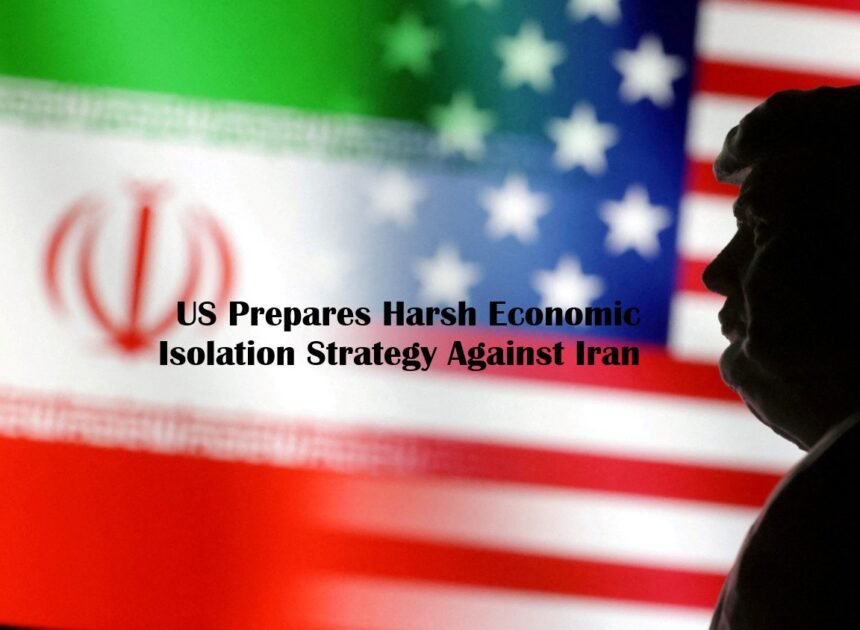
The United States administration is preparing to roll out an unprecedented economic pressure campaign targeting Iran starting next week. Officials in Washington describe the strategy as an aggressive effort to isolate Tehran financially and force compliance amid ongoing maritime and regional tensions. The forthcoming measures mark a dramatic escalation in geopolitical enforcement, combining strict trade blockades with deep financial restrictions.
United States Treasury Secretary Scott Bessent announced the upcoming campaign during a public address, warning that Washington will apply financial measures unlike anything seen in modern economic history. The strategic framework focuses on starving the Iranian economy of foreign revenues while shutting down remaining loopholes in global trade corridors.
Enforcing a Two-Pronged Blockade Strategy
The newly planned measures feature a coordinated “one-two punch” design that pairs severe financial restrictions with active physical enforcement. United States naval forces continue enforcing a strict blockade around key Iranian ports, preventing commercial container ships and oil tankers from entering or exiting regional harbors.
This dual strategy aims to paralyze maritime trade across the Persian Gulf and the Strait of Hormuz. By shutting down maritime logistics channels, the United States seeks to prevent Iran from shipping crude oil to international buyers or importing critical industrial materials.
- Maritime Containment: Naval forces actively interdict non-compliant commercial vessels attempting to access Iranian ports.
- Financial Cutoffs: Targeted rules disrupt foreign exchange houses and front companies facilitating trade.
- Export Suppression: Measures aim to stop crude oil shipments from primary loading terminals like Kharg Island.
- Sanctions Enforcement: Authorities track and penalize foreign maritime networks assisting Iranian trade.
Severe Disruptions to Iran’s Oil Exports
The ongoing naval blockade and heightened financial oversight have already severely curtailed Iranian crude oil exports. Satellite tracking and maritime analytics show a steep drop in tanker loadings along the Iranian coastline over recent weeks. Commercial tankers are increasingly avoiding regional anchorages due to heightened interdiction risks.
Consequently, domestic storage facilities in Iran are reaching operational capacity limits. Because tankers cannot freely export crude oil to Asian markets, Iranian energy producers face growing pressure to throttle back raw oil production. The loss of daily petroleum revenues severely strains Tehran’s national budget and foreign currency reserves.
- Halted Loadings: Main export terminals report minimal tanker traffic due to strict sea patrols.
- Constrained Storage: Onshore and offshore storage tanks are filling rapidly across coastal hubs.
- Production Cutbacks: Energy firms face mandatory operational shutdowns as storage space disappears.
- Revenue Depletion: Foreign currency inflows drop dramatically, exacerbating internal economic pressure.
Shifting Priorities and Strategic Divergence
The announcement of harsher economic measures signals a firm pivot in Washington’s diplomatic posture. Earlier discussions had suggested potential agreements to reopen shipping routes through the Strait of Hormuz. However, hardline stances and unresolved security conditions triggered a fast transition back to maximum pressure tactics.
Senior officials emphasize that reducing global energy volatility and protecting maritime commerce remain top national security priorities. While diplomatic channels through regional mediators remain open, the United States intends to maintain maximum financial leverage until Tehran fully guarantees unhindered commercial transit.
- Diplomatic Stalemate: Talks fail to produce lasting agreements on maritime access rules.
- Maximum Pressure: Policymakers favor economic containment over premature concession offers.
- Maritime Security: Naval patrols prioritize protecting international commercial shipping lanes.
- Regional Alignment: Partner nations adjust defense postures to counter potential escalation.
Geopolitical Implications for Regional Trade Networks
The impending economic isolation framework threatens to ripple across global commodities markets and regional supply chains. Neighboring economies that rely on Persian Gulf trade corridors face increased shipping costs, elevated insurance premiums, and potential supply disruptions.
Furthermore, Washington is intensifying scrutiny on third-party shipping entities and foreign exchange networks operating across Asia and the Middle East. Foreign firms assisting illicit Iranian shipments face swift secondary sanctions and exclusion from the Western financial system.
- Strict Oversight: Regulators target shadow fleet operators aiding covert crude transfers.
- Higher Transit Costs: Commercial fleets pay premium rates to bypass high-risk maritime zones.
- Secondary Risks: Foreign banks face immediate penalties for processing Iranian trade payments.
- Supply Chain Realignment: Buyers replace Iranian petroleum imports with alternative global suppliers.
The Road Ahead for International Enforcement
As the United States prepares to unveil its new sanction packages next week, global market analysts are watching closely to see how effectively the measures close existing trade loopholes. The combination of direct naval interdiction and aggressive banking restrictions represents a high-stakes effort to reshape regional geopolitics through economic force.
The coming weeks will test the resilience of Iran’s internal economic structures and its ability to navigate severe international isolation. With enforcement mechanisms expanding rapidly, the economic campaign marks a pivotal turning point in foreign policy and global energy security.