


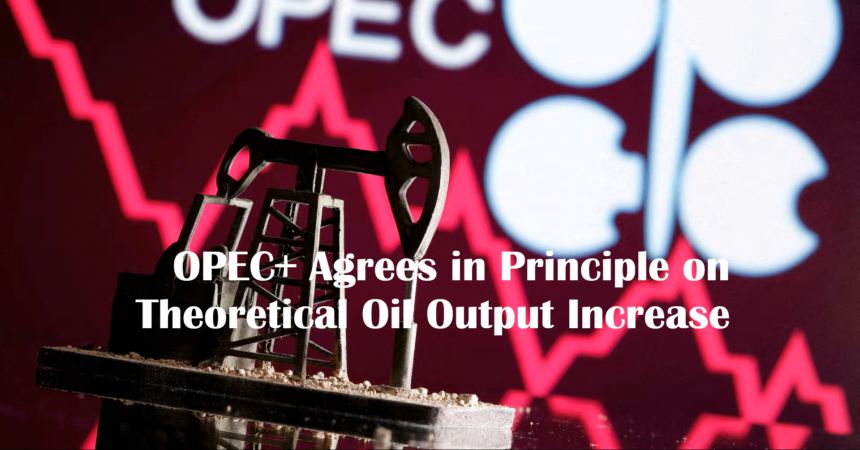
OPEC+ has agreed in principle to raise its oil output quotas by 206,000 barrels per day for May. This agreement was reached by key members ahead of a scheduled meeting. The increase mirrors the boost that was set for April. While seen as a formal step, it is expected to exist mostly on paper.
The decision was confirmed by three sources familiar with the talks. The group’s meeting later that day was anticipated to formalize the agreement. OPEC+ members have stated that any supply rise depends on improving global oil flows.
OPEC+ Response to Geopolitical Disruption
The planned output increase comes amid severe disruption caused by a major conflict. A war involving the United States, Israel, and Iran has effectively shut down the Strait of Hormuz, a vital oil transit route. This closure began in late February and has cut exports from major producers.
Producers affected include those who were previously able to raise their output. Saudi Arabia, the United Arab Emirates, Kuwait, and Iraq have experienced transportation difficulties. These members once had spare capacity to boost production.
But the route closure has restricted effective increases. Other OPEC+ partners are limited by external constraints. Russia faces Western sanctions that affect its oil sector. Damaged infrastructure from past conflicts also curbs output.
Production Constraints and the “Paper Increase”
The output increase agreed by OPEC+ will likely have little immediate impact on actual supply. That is because several producers cannot raise output under current conditions. This limitation has led analysts to describe the rise as largely symbolic or “academic.” OPEC+ itself has noted that real supply increases rely on the reopening of the Strait of Hormuz.
If that happens, producers with spare capacity could then expand output. But no guarantee exists of a near‑term improvement. The mechanism for raising quotas has involved only eight core OPEC+ members. These countries traditionally manage monthly production changes. They have been unwinding previous supply cuts to regain market share since April last year.
Global Supply and Price Impacts
The impact on global supply has been dramatic. An estimated 12 to 15 million barrels per day of oil supply have been lost. That represents up to 15% of global oil output. This disruption is among the largest ever seen in the oil market. Crude oil prices have reacted strongly. They have reached four‑year highs near $120 per barrel.
Some analysts anticipate prices could rise above $150. However, those projections assume the disruption continues through mid‑May. Even with the theoretical output hike, actual supply constraints remain. This means the price outlook will continue to reflect geopolitical risk.
The Role of the Strait of Hormuz
The Strait of Hormuz is one of the most strategically important oil chokepoints. Roughly one‑fifth of the world’s crude oil passes through it in normal conditions. The recent closure has prevented tankers from transiting easily. Iraq was reportedly exempted from some restrictions, allowing a tanker to transit.
But the risk of further voyages remains high. Other producers are cautious about routing shipments through the area. The inability of key producers to export oil freely has undercut OPEC+’s ability to deliver more crude even when quotas are increased.
Why This Decision Matters
The agreement in principle reflects a strategic signal. OPEC+ wants to show preparedness to resume higher output. The move indicates confidence that disruptions will one day ease. It also reinforces the group’s ongoing shift in policy. Since 2025, core members have worked to unwind past output cuts.
The goal has been to regain market share lost to other producers. The agreed theoretical increase repeats the 206,000 barrel per day rise set for April. Together, these moves suggest OPEC+ is positioning for a future turnaround in supply.
Outlook and Future Meetings
With a scheduled meeting ongoing, OPEC+ ministers are expected to discuss further policy. The Joint Ministerial Monitoring Committee is part of that process. However, the committee does not decide the final output policy. Some analysts believe that real output increases will not occur until export routes stabilize.
Others think that rising prices may push producers to find alternatives. For now, the consensus among OPEC+ sources is that the agreed increase is a symbol of intent. Actual production growth depends on resolving geopolitical and logistical barriers.