



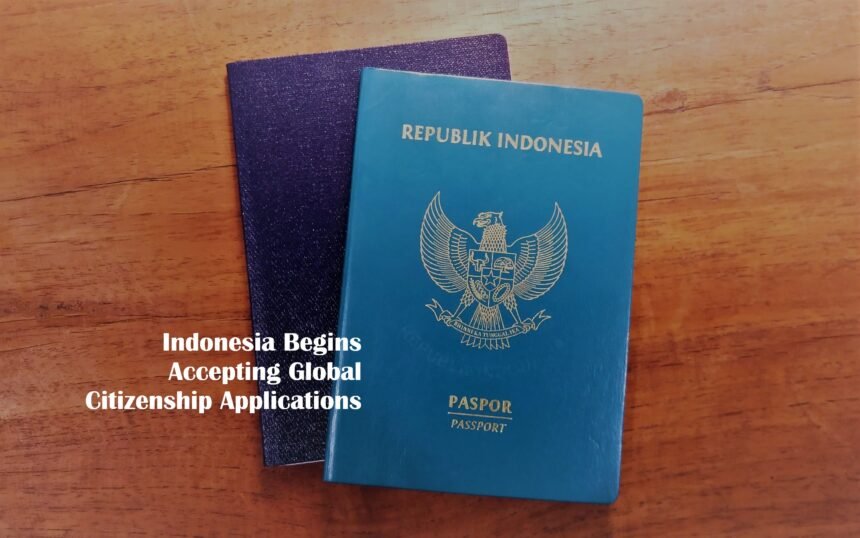
Indonesia has officially begun accepting applications for its new Global Citizenship of Indonesia (GCI) program, marking a significant shift in the nation’s immigration and national identity policies. The government launched this initiative to address long-standing challenges related to dual citizenship.
Under this program, foreign nationals who have strong ties to Indonesia can apply for permanent residency status with no time limits. This approach seeks to strengthen connections with the Indonesian diaspora and individuals of Indonesian descent worldwide.
The initial phase of the program has already seen several applications received and under review, just weeks after the official opening. This milestone comes ahead of the formal launch scheduled for early 2026. Authorities are hopeful that this new policy will encourage individuals with Indonesian roots to return, invest, and contribute to the country’s development.
Understanding the GCI Program
The Global Citizenship of Indonesia program is designed to grant eligible individuals a form of unlimited stay permit. This permit allows holders to live and work in Indonesia indefinitely without the need to renounce their existing foreign citizenship. The program does not grant Indonesian nationality, but it does provide legal permanent residency.
Indonesia has historically maintained a single citizenship system, which means the country does not officially allow dual citizenship for adults. Traditionally, Indonesians who obtain another nationality must give up their Indonesian citizenship. The GCI program offers a pathway that preserves strong cultural and economic ties without compromising this principle.
The legal basis for the Global Citizenship Applications is anchored in Indonesian law and reflects growing recognition of the global mobility of people with Indonesian heritage. Officials hope that the new framework will help address issues such as brain drain and enable the diaspora to maintain deep connections with their homeland.
Eligibility and Application Criteria
To qualify for the Global Citizenship of Indonesia program, applicants must demonstrate a strong and legitimate connection to the country. These connections can be based on ancestry, family ties, historical links, or personal relationships with Indonesia that are significant and verifiable.
The initial group of applicants currently under review reportedly includes individuals who meet these criteria. A special evaluation team within the immigration department has been tasked with reviewing applications to ensure that eligibility standards are upheld.
Application submissions are processed through the official Indonesian immigration system. The government encourages potential applicants to prepare all necessary documentation ahead of time, especially those with complex family histories or international legal issues.
Addressing Dual Citizenship Challenges
One of the most significant motivations behind the introduction of the GCI program is the challenge posed by Indonesia’s single citizenship rule. Many Indonesians who live abroad and build successful careers overseas face a difficult choice: keep Indonesian citizenship or fully integrate into their adopted country by becoming naturalized citizens there.
This dilemma has contributed to a “brain drain,” as talented individuals leave Indonesia to pursue opportunities abroad, often having to surrender their Indonesian citizenship in the process. The GCI program offers an innovative solution to this longstanding policy issue by allowing individuals to retain their existing citizenship while maintaining a stable legal status in Indonesia.
Moreover, family members of former Indonesian citizens and their descendants up to the second degree are also eligible, along with the legal spouses of Indonesian citizens. This inclusive structure aims to keep families connected to Indonesia across generations.
Economic and Social Impacts
Experts and policymakers have highlighted that the GCI program may have broad implications for Indonesia’s economic landscape. By encouraging talented Indonesians and those with Indonesian heritage to return or engage with the country, the policy could stimulate investment, innovation, and entrepreneurial activity.
Beyond economic considerations, the program also has cultural and social significance. Indonesia is home to one of the largest diasporas in the world, with millions of people of Indonesian descent living abroad. The GCI initiative offers them a renewed sense of belonging and a legal mechanism to reconnect with their homeland without relinquishing ties to their adopted countries.
Critics of the program have voiced concerns about long-term outcomes, such as the potential complexity of managing residency rights across diverse international legal systems. Some diaspora community members remain skeptical about operational details, including how the policy will be implemented and what practical advantages it offers compared to traditional residency options.
Implementation and Future Outlook
Indonesia’s Directorate General of Immigration is expected to continue refining the implementation of the Global Citizenship program. Officials have indicated that they will host formal announcement events and provide guidance materials for potential applicants. The formal public launch event is anticipated in early 2026, during Immigration Service Day.
As part of this broader strategy, government agencies are working together to ensure that the application process remains transparent and accessible. The emphasis on digital processing and inter-agency coordination is expected to reduce bureaucratic barriers and help applicants submit documentation more efficiently.
While the GCI program does not equate to full citizenship, its introduction reflects Indonesia’s willingness to adapt to global trends in migration, mobility, and identity. The program’s success will likely depend on how well the government balances national sovereignty with the aspirations of the global Indonesian community.
Community and Diaspora Reactions
Reactions among Indonesians overseas have been mixed. Some view the opportunity as a welcome development that could enhance personal and professional ties with Indonesia. Others express caution until there is more clarity about rights, responsibilities, and long-term benefits.
Nevertheless, the policy has drawn attention from both Indonesian nationals and international observers as an innovative approach to linking global citizens with their ancestral homeland. If effectively managed, the Global Citizenship of Indonesia initiative could serve as a model for other countries facing similar immigration and national identity challenges.