



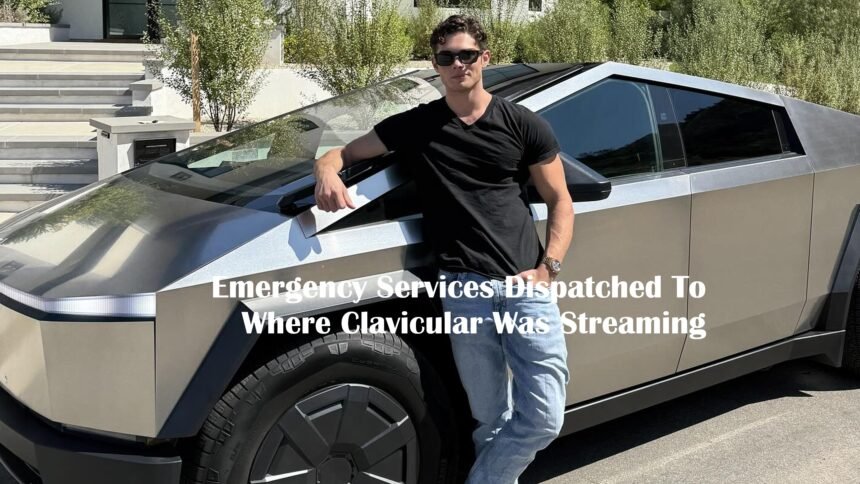
A shocking incident unfolded during a live stream when emergency services rushed to the location of a content creator known as Clavicular. The situation quickly gained attention across online communities. Viewers witnessed unusual behavior that raised serious concerns.
Authorities responded after multiple reports were filed. This event highlights the growing risks tied to live streaming culture. It also shows how quickly online activity can turn into real-world emergencies.
What Happened During the Stream
Clavicular, a rising online personality, began a live broadcast as usual. At first, nothing seemed out of place. The stream followed a typical format with casual interaction. However, the tone shifted rapidly. Viewers noticed signs of distress and confusion. Clavicular appeared disoriented and struggled to communicate clearly. Some moments caused alarm among the audience.
Comments flooded the chat. Many viewers urged others to call emergency services. A few claimed they had already contacted local authorities. The stream continued for a short time. Then it abruptly ended, leaving viewers worried and uncertain.
Emergency Response
Emergency services arrived at the location shortly after reports were made. The response included medical personnel and local authorities. Officials prioritized safety upon arrival. They assessed the situation and provided immediate assistance. Details about Clavicular’s condition were not fully disclosed at the time.
Neighbors reported seeing increased activity near the residence. Emergency vehicles remained on site for a period. Authorities worked to stabilize the situation and gather information. The quick response likely prevented further complications. It also showed how public concern can lead to rapid action.
Role of Online Viewers
Viewers played a crucial role in this incident. Many recognized the warning signs and reacted quickly. Their actions helped trigger the emergency response. Online communities often act as informal support networks. In this case, that support became critical. People from various locations coordinated their efforts in real-time.
Some users attempted to identify Clavicular’s location. Others focused on contacting local services. This collective effort demonstrated the power of digital communities. However, it also raised concerns. Sharing personal information can create risks. Misidentification or panic may lead to unintended consequences.
Growing Concerns Around Live Streaming
Live streaming has gained popularity in recent years. Platforms allow creators to connect with audiences instantly. This format offers authenticity and engagement. Yet it also carries risks. Streamers often broadcast without filters or delays. Emergencies can unfold in front of viewers.
In some cases, audiences may not know how to respond. Confusion can slow down critical decisions. This makes it harder to ensure safety. Content creators face pressure to remain active and entertaining. That pressure may affect mental health. It can also lead to risky behavior.
Mental Health and Online Pressure
The incident has sparked discussion about mental health. Many creators deal with stress, anxiety, and burnout. Constant exposure to audiences can intensify these issues. Clavicular’s behavior raised concerns about well-being. While details remain limited, the situation highlights a broader problem.
Support systems are not always visible online. Creators may struggle behind the scenes. Their public persona may hide personal challenges. Communities have begun to advocate for better awareness. They encourage creators to take breaks and seek help when needed.
Platform Responsibility
The event also raises questions about platform responsibility. Streaming services provide tools for broadcasting. However, their role during emergencies remains unclear. Some platforms have introduced safety features. These include reporting systems and moderation tools. Yet real-time crises remain difficult to manage.
Faster response mechanisms could help. Platforms might develop systems to detect distress signals. They could also partner with emergency services. Balancing privacy and safety remains a challenge. Any solution must protect users while enabling quick action.
Public Reaction
The public reaction was immediate and widespread. Social media users shared clips and discussed the event. Many expressed concern and hoped for a positive outcome. Others criticized the culture of constant streaming. They argued that it encourages unhealthy behavior.
Some called for stricter guidelines. The incident sparked debates about responsibility. Should viewers intervene? Should platforms act faster? These questions remain unresolved.
Lessons From the Incident
Several lessons emerge from this situation. First, awareness matters. Viewers who recognize warning signs can make a difference. Quick action can save lives. Second, creators need support. Mental health resources should be accessible. Communities should promote healthy habits.
Third, platforms must adapt. Technology should evolve to address real-time risks. Better tools could improve response times. Finally, privacy should be respected. Efforts to help must avoid causing harm. Responsible action is essential.