



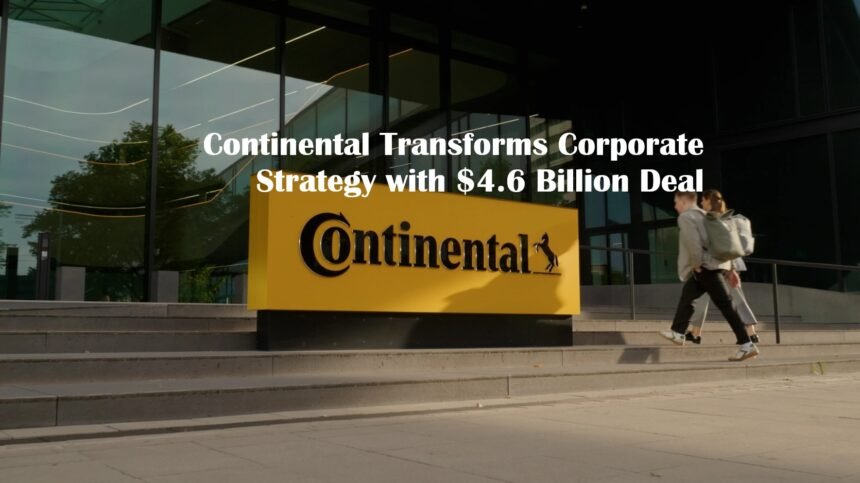
Continental took a massive step toward reshaping its global business structure on Saturday. The German automotive giant signed a definitive agreement to sell its traditional rubber and plastics division. Lone Star Funds will purchase the famous ContiTech unit for an enterprise value of 4 billion euros, which equals roughly 4.57 billion dollars.
The transaction also includes an interesting performance-related clause. Continental could receive an extra 250 million euros in subsequent years if the business meets specific financial benchmarks. This massive divestment dramatically changes the corporate landscape for the Hanover-based manufacturer.
Financial markets closely monitored the negotiations for several days before the formal announcement. The two parties finalized the multi-billion dollar deal after intensive discussions regarding asset valuation, facility management, and future transition terms. Executives from both sides expressed satisfaction with the final pricing structure.
Detailed Breakdown of the Financial Elements
The transaction details reveal exceptionally large cash flows for the German supplier. Executives anticipate total net cash proceeds of approximately 3.1 billion euros after completing the sale. Standard financial adjustments and transaction costs will determine the exact final figure at the closing date.
This massive cash injection gives the parent company significant financial flexibility to strengthen its overall balance sheet. Shareholders will also benefit directly from this landmark industrial deal. Continental plans to distribute around 2.5 billion euros to its investors after the transaction successfully closes.
The executive board might utilize special dividends or a structured share buyback program to distribute this capital. This shareholder-friendly action demonstrates management’s clear commitment to delivering immediate value to the market. The remaining funds will likely support corporate debt reduction initiatives to lower interest costs.
Shifting Capital to Core Business Sectors
The divestment marks the absolute completion of a long-term strategic review. Continental wants to channel its engineering resources, research budgets, and management attention into more profitable operations. By removing the industrial plastics and rubber business, the company can prioritize its world-famous tires segment.
Automotive technology and high-tech mobility solutions will also receive much greater internal attention and capital allocation. The modern automotive landscape demands rapid technological evolution from top-tier suppliers. Global market participants must invest heavily in digitalization, software development, and advanced electric vehicle mobility systems.
This transaction gives Continental the necessary financial freedom to pursue those vital technology segments aggressively. Management firmly believes that a more streamlined corporate structure will yield better long-term financial returns.
Navigating Structural and Workforce Challenges
The ContiTech division faced significant operational pressure before this weekend’s major announcement. Market shifts and rising raw material costs forced the unit to implement aggressive cost-cutting measures earlier this year. In May, management announced a global reduction of 3,000 jobs within the division to stabilize profits.
That painful restructuring included the elimination of 1,600 positions inside Germany. These workforce reductions reflected the broader structural difficulties within the industrial plastics and rubber supply chains. Rising production costs and shifting client demands made the independent operation of ContiTech more complex for an automotive-focused parent company.
Lone Star Funds provides a completely different path forward for the division as a dedicated private equity owner. The new owners will bring fresh capital, distinct strategic priorities, and specialized management expertise to the industrial manufacturing plants.
Private Equity Enters Industrial Manufacturing
Lone Star Funds has a long history of investing in mature industrial assets. The private equity firm looks for businesses with strong market positions but temporary operational challenges. ContiTech fits this investment thesis perfectly due to its strong global client base and deep technical expertise.
The new ownership structure will allow ContiTech to pursue independent growth strategies outside the automotive sector. Industrial clients rely heavily on ContiTech for specialized hoses, belts, and surface materials.
Lone Star Funds intends to support the existing management team during the transition phase. The private equity firm will focus on expanding the division’s industrial footprint in North America and Asia. This strategy could open new revenue streams that were previously unavailable under Continental’s stewardship.
The Future of Continental Tires
The tires segment remains the primary cash generator for Continental. This divestment allows the company to defend its market share against fierce global competition. Management plans to upgrade existing manufacturing plants with advanced automated technology.
They will also expand their premium tire portfolios for electric vehicles, commercial trucks, and agricultural machinery. Securing a leadership position in the electric vehicle tire market requires continuous innovation.
Electric cars require specialized tires that can handle heavier weights and deliver lower rolling resistance. Continental will use a portion of the transaction proceeds to fund these crucial research projects. Investors have responded positively to this renewed focus on the company’s strongest business unit.
Looking Ahead to Final Closure
Both corporate entities want to finalize the massive asset transition as smoothly as possible. The transaction remains subject to customary closing conditions and rigorous regulatory scrutiny. Antitrust authorities in multiple international jurisdictions must examine the agreement to ensure fair market competition.
Industry experts believe the legal and regulatory review processes will take several months to finish. Continental projects that the entire transaction will reach formal completion by the end of 2026. Until that time, ContiTech will operate under a specific discontinued classification within the quarterly financial reports.
The separate tires division will continue its normal market operations without any disruptions from this structural sale. Global investors now look forward to seeing how both companies execute this massive industrial transition over the coming months.