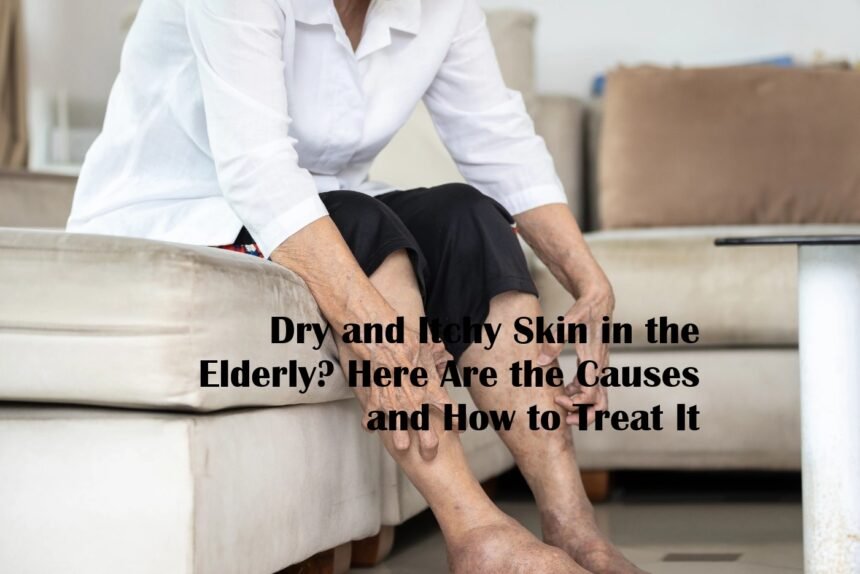
As people age, their skin undergoes significant changes that can lead to discomfort and irritation. One of the most common complaints among older adults is dry and itchy skin, medically known as xerosis. This condition can range from mild dryness to severe itching that interferes with sleep and quality of life. Understanding the causes and knowing how to manage them effectively is essential for maintaining comfort and overall well-being in the elderly.
Why Dry and Itchy Skin Is Common in the Elderly
Aging naturally affects the skin’s structure and function. Over time, the skin becomes thinner, less elastic, and more prone to fragility. The production of natural oils (sebum) decreases, making it harder for the skin to retain moisture. Additionally, sweat glands become less active, further contributing to dryness.
Environmental and lifestyle factors also play a role. Older adults may be more sensitive to weather changes, especially in cold or dry climates, which can strip moisture from the skin. Frequent bathing with harsh soaps, low indoor humidity, and inadequate hydration can exacerbate the condition.
Common Causes of Dry and Itchy Skin
Several factors contribute to dry and itchy skin in the elderly:
- Reduced Oil Production : As sebaceous glands become less active with age, the skin loses its natural ability to stay moisturized.
- Dehydration : Older adults often have a reduced sense of thirst, leading to lower fluid intake and dehydration, which directly affects skin hydration.
- Medical Conditions : Certain chronic diseases, such as diabetes, kidney disease, and thyroid disorders can cause or worsen dry skin.
- Medications : Many medications commonly used by the elderly, including diuretics, antihistamines, and some blood pressure drugs, can have side effects that dry out the skin.
- Environmental Factors : Cold weather, air conditioning, and indoor heating systems reduce humidity levels, making the skin more prone to dryness.
- Improper Skincare Habits : Using harsh soaps, taking long, hot showers, and not applying moisturizer regularly can strip the skin of its natural oils.
- Skin Conditions : Conditions such as eczema or psoriasis may become more pronounced with age and contribute to itching and dryness.
Symptoms to Watch For
Dry and itchy skin can present in several ways, including:
- Flaky or scaly skin
- Rough texture
- Tightness, especially after bathing
- Redness or irritation
- Cracks in the skin, which may bleed in severe cases
- Persistent itching that may worsen at night
If left untreated, excessive scratching can lead to infections or skin damage, making early management important.
Effective Ways to Treat and Manage Dry Skin
Managing dry and itchy skin in the elderly requires a combination of proper skincare, lifestyle adjustments, and sometimes medical treatment.
1. Use Gentle Cleansers : Switch to mild, fragrance-free soaps or cleansers that do not strip the skin’s natural oils. Avoid antibacterial or heavily scented products, as these can be too harsh.
2. Moisturize Regularly : Applying moisturizer is one of the most effective ways to combat dryness. Use thick creams or ointments rather than lotions, as they provide better hydration. Apply immediately after bathing to lock in moisture. Look for ingredients such as:
- Glycerin
- Hyaluronic acid
- Ceramides
- Urea
3. Limit Bathing Time and Temperature : Encourage short showers (5–10 minutes) using lukewarm water instead of hot water. Hot water can remove natural oils and worsen dryness.
4. Stay Hydrated : Drinking enough water throughout the day helps maintain skin hydration from within. Even mild dehydration can make dry skin worse.
5. Use a Humidifier : Adding moisture to indoor air with a humidifier can significantly reduce dryness, especially in air-conditioned or heated environments.
6. Wear Soft, Breathable Fabrics : Clothing made from cotton or other soft materials is less likely to irritate sensitive skin. Avoid wool or synthetic fabrics that can cause itching.
7. Avoid Scratching : Scratching can damage the skin and lead to infection. Keeping nails trimmed and using anti-itch creams can help manage the urge to scratch.
8. Apply Medicated Creams if Needed : If dryness is severe or linked to a skin condition, a doctor may recommend topical treatments such as corticosteroid creams or medicated moisturizers.
9. Review Medications : If dryness appears after starting a new medication, consult a healthcare provider. They may adjust the dosage or suggest alternatives.
When to See a Doctor
While dry skin is common, certain signs indicate the need for medical attention:
- Severe itching that disrupts sleep
- Cracked skin that bleeds or becomes infected
- No improvement despite regular moisturizing
- Sudden onset of dryness with no clear cause
A healthcare professional can help identify underlying conditions and provide appropriate treatment.
Prevention Tips
Preventing dry and itchy skin is often easier than treating it. Simple daily habits can make a big difference:
- Moisturize at least twice daily
- Avoid harsh skincare products
- Maintain a balanced diet rich in vitamins and healthy fats
- Protect skin from extreme weather conditions
- Drink adequate fluids
Conclusion
Dry and itchy skin is a common but manageable condition in the elderly. It results from a combination of natural aging processes, environmental influences, and health-related factors. With proper care, including gentle cleansing, regular moisturizing, and healthy lifestyle habits, most cases can be effectively controlled.
Paying attention to early symptoms and maintaining a consistent skincare routine can greatly improve comfort and quality of life. When necessary, medical guidance ensures that underlying causes are addressed, allowing older adults to enjoy healthier, more comfortable skin as they age.