



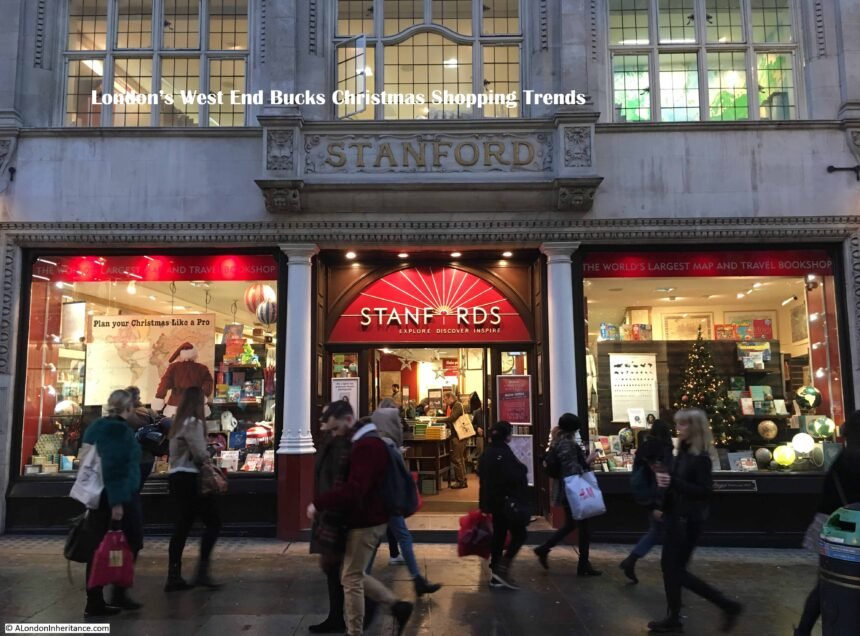
London’s West End is showing unexpected strength during the 2025 Christmas shopping season. While much of the country has seen slow retail sales and cautious consumer spending, this iconic part of central London has attracted more shoppers and maintained festive momentum.
The area’s success challenges broader retail patterns, offering insight into how major urban retail districts can perform in a challenging economic climate.
Return of Festive Footfall
In late November and early December 2025, foot traffic in the West End increased significantly. Data shows that in the week before Black Friday, the number of shoppers visiting central shopping streets increased compared with the previous year. This increase in foot traffic continued throughout the Black Friday week and into the first week of December.
The boost was particularly noticeable around major shopping areas such as Oxford Street and Regent Street. These streets were bustling with people buying gifts, visiting stores, and taking in seasonal displays. The pedestrianisation of Regent Street on special days encouraged exploration, and live festive performances on Oxford Street helped draw larger crowds.
A Contrast to National Trends
Across the broader UK retail landscape, official data reported unexpected declines in retail sales in November. Despite traditional hopes for Black Friday and early Christmas shopping to lift sales figures, many stores outside central city centres struggled to attract consumers at pre-Christmas levels.
This contrast highlights an important divergence; while nationwide shopping activity softened, the West End defied the trend with rising numbers of visitors. The sustained footfall suggests that London’s central retail district is benefiting from factors that other areas are not experiencing at the same scale.
Shopping Streets as Seasonal Destinations
The West End’s success this season was not solely driven by discounts or promotions. More than just a place to buy gifts, the area has been presented as a festive destination. Seasonal lights and decorations were installed early, creating a visual allure that encouraged both locals and tourists to stroll the streets.
Many shoppers paired their retail visits with experiences such as dining, sightseeing, and holiday events. On Regent Street, major displays and public performances transformed the street into a social hub where people could soak up the seasonal atmosphere.
xford Street’s festive lights and animated street scenes provided a backdrop for shopping and exploration after dusk. These elements combined to make the West End feel like a festive celebration rather than just a commercial zone.
Tourism’s Role in Strong Numbers
Tourists have also played a key role in the West End’s strong Christmas performance. Although international travel patterns have fluctuated since the pandemic, London continues to attract global visitors, particularly during the holiday period. Even as domestic retail faces pressure from economic uncertainty, international spending has helped sustain vibrant activity in central London.
For many international visitors, London’s West End is a quintessential holiday stop. Its blend of historical architecture, world-famous stores, and seasonal ambience makes it a magnet for visitors who want to enjoy both the shopping and the city’s cultural offerings.
Experiential Shopping and Consumer Preferences
One important factor in the West End’s resilience may be the shift in consumer retail preferences. Many shoppers today seek experiences in addition to products. This trend was visible in the West End, where stores offered not just merchandise but immersive seasonal displays and holiday entertainment.
Large flagship stores used elaborate festive setups to attract attention, while independent boutiques embraced creative approaches with unique decorations and curated gift selections. These visual and sensory experiences offered more than simple transactions; they provided memorable encounters that kept visitors engaged and encouraged longer visits.
Impact of Special Events
Special events played a significant part in boosting footfall. The West End organisers worked with local businesses to promote days when streets were closed to traffic, allowing pedestrians to wander freely and enjoy outdoor performances. This approach helped foster a sense of community and celebration, which translated into increased spending and stronger engagement.
In addition, live performances and entertainment were scheduled strategically to coincide with peak shopping times, creating a festive rhythm that drew people back again and again. By turning retail streets into venues for holiday fun, organisers strengthened the connection between consumer behaviour and seasonal celebration.
Retailer Sentiment and Future Outlook
Although the West End has shown strong performance this Christmas season, not all retailers are entirely optimistic. Some independent stores and smaller shops have expressed concern that overall sales growth remains modest relative to pre-pandemic years. Economic pressures, including inflation and cost-of-living concerns, continue to weigh on household budgets.
Still, for the flagship stores and major shopping avenues, the festive season has provided a welcome lift. Many business owners have noted that the appearance of activity in the West End masks more cautious spending behaviour.
While footfall has increased, the average spend per customer has not always surged at the same rate. Shoppers are often browsing multiple stores, comparing options, and selecting thoughtful gifts rather than making large, impulse purchases.
Lesson for High Streets Elsewhere
The West End’s performance this Christmas offers some lessons that may be relevant for other urban retail districts. One key takeaway is that creating a compelling overall experience can attract visitors even when broader economic conditions are challenging.
Visual appeal, combined with accessible entertainment and a festive atmosphere, can transform a retail area into a must-visit destination. Another lesson is the importance of collaboration between retailers and local event organisers.
By coordinating street closures, entertainment, and seasonal activations, the West End has been able to create an environment that feels safe, lively, and worth exploring. This type of partnership between businesses and municipal planners may offer a pathway for other cities seeking to revive their own shopping areas during crucial sales periods.