



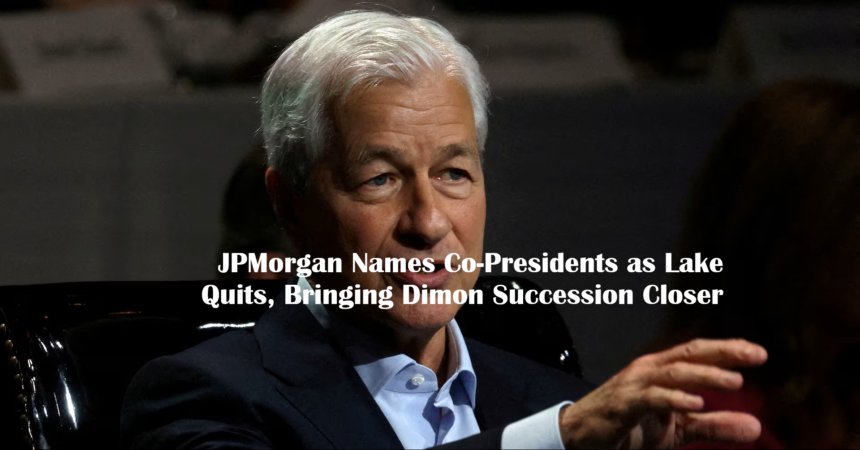
JPMorgan has taken another major step in shaping its future leadership. The bank recently appointed two senior executives as co-presidents after Jennifer Piepszak declined to pursue the chief executive role and Marianne Lake strengthened her position in the succession process. The leadership changes have intensified speculation about who will eventually replace longtime CEO Jamie Dimon. The announcement reflects years of careful succession planning.
Investors, employees, and financial analysts have closely watched every executive move inside the company. Jamie Dimon has led JPMorgan through financial crises, economic uncertainty, and rapid technological transformation. His eventual successor will inherit one of the world’s largest and most influential financial institutions.
A New Leadership Structure
JPMorgan introduced a new executive structure by naming co-presidents to oversee major business operations. The move creates a clearer management hierarchy while allowing senior executives to gain broader leadership experience. The new arrangement also provides greater operational stability.
Large financial institutions often prepare leadership transitions years before they actually occur. This approach reduces uncertainty for shareholders and clients while maintaining business continuity. The latest appointments suggest that JPMorgan wants a smooth transition whenever Jamie Dimon decides to step down. Although no official retirement timeline exists, succession planning has become increasingly visible.
Marianne Lake Strengthens Her Position
Marianne Lake remains one of the strongest candidates to become the bank’s next chief executive. She has built an impressive career through several senior leadership positions and has earned respect across multiple business divisions. Her extensive experience includes consumer banking, finance, and corporate strategy. Those responsibilities have given her a broad understanding of JPMorgan’s operations and long-term priorities.
Lake has consistently demonstrated strong financial discipline while supporting business growth. Her leadership style combines operational efficiency with strategic thinking, qualities that investors often value during executive transitions. Many industry observers believe her growing responsibilities reflect the board’s confidence in her leadership abilities.
Jennifer Piepszak Steps Away from the CEO Race
Jennifer Piepszak surprised many observers by choosing not to pursue the chief executive position. Instead, she decided to remain focused on other senior leadership responsibilities within the organization. Her decision reshapes the competitive landscape inside JPMorgan. Piepszak has played an important role in strengthening the bank’s financial performance and maintaining operational excellence.
Although she removed herself from CEO consideration, she continues contributing significantly to the company’s strategic direction. Her experience remains valuable as JPMorgan navigates evolving market conditions and regulatory challenges. The leadership team benefits from retaining experienced executives even when they choose different career paths.
Jamie Dimon’s Legacy Continues
Jamie Dimon has served as one of the banking industry’s most respected leaders for nearly two decades. During his tenure, JPMorgan expanded its global presence while consistently delivering strong financial performance. His leadership helped the bank navigate the global financial crisis, economic downturns, and periods of market volatility. Investors often credit Dimon’s disciplined approach for maintaining JPMorgan’s stability during uncertain times.
His influence extends beyond banking operations. Government officials, business leaders, and financial markets frequently pay close attention to his economic outlook and policy views. Replacing such an influential executive represents one of the most significant leadership challenges facing the company.
Why Succession Planning Matters
Leadership transitions can influence investor confidence, employee morale, and long-term corporate strategy. Large financial institutions, therefore, dedicate significant attention to succession planning. An effective transition minimizes disruption while preserving strategic momentum. Investors generally prefer companies that communicate leadership changes clearly and prepare future executives well in advance. JPMorgan appears committed to following that disciplined approach.
The company continues expanding leadership responsibilities among senior executives, allowing them to demonstrate their capabilities before any final decision. Such preparation also reassures regulators, customers, and business partners who value organizational stability.
Investors Welcome Greater Clarity
Financial markets generally respond positively when companies reduce uncertainty surrounding executive succession. Investors appreciate transparency because leadership changes can affect future strategy and financial performance. The recent executive appointments provide stronger insight into JPMorgan’s long-term planning.
While Jamie Dimon remains CEO, the company now presents a more defined leadership structure for the future. Analysts believe this clarity supports shareholder confidence. Investors often reward companies that prepare carefully for executive transitions instead of reacting unexpectedly. A structured succession process also demonstrates strong corporate governance.
Challenges Await the Next CEO
Whoever eventually succeeds Jamie Dimon will inherit both opportunities and significant challenges. Banking continues evolving rapidly due to technology, regulation, cybersecurity, and changing customer expectations. Digital banking has transformed how customers interact with financial institutions.
Artificial intelligence, automation, and data analytics continue to reshape business operations across the industry. The next CEO must balance innovation with responsible risk management.
Strong financial performance alone may not guarantee long-term success without continued investment in technology and customer experience. Global economic uncertainty also creates additional complexity. Interest rates, geopolitical tensions, and regulatory developments require constant strategic attention.
Maintaining JPMorgan’s Competitive Position
JPMorgan remains one of the strongest competitors in global banking. Its diversified business model provides resilience across changing economic cycles. The bank operates successfully in consumer banking, investment banking, asset management, commercial lending, and wealth management. This broad portfolio creates multiple revenue opportunities while reducing dependence on any single business segment.
Future leadership must continue strengthening these competitive advantages. Executives also need to identify emerging growth opportunities in digital finance, international markets, and innovative financial services. Maintaining operational excellence will remain equally important as the competitive landscape evolves.
The Road Ahead
Although succession discussions continue attracting attention, Jamie Dimon remains actively engaged in leading JPMorgan. His experience continues guiding the company’s strategic priorities and business performance. Meanwhile, senior executives gain additional leadership exposure through expanded responsibilities. That gradual development supports a smoother transition whenever the board determines the appropriate time for new leadership. Marianne Lake now appears even closer to becoming the leading successor.
However, executive succession remains a dynamic process that depends on business performance, board decisions, and future organizational needs. The bank will likely continue refining its leadership structure while maintaining focus on growth, innovation, and financial strength.