


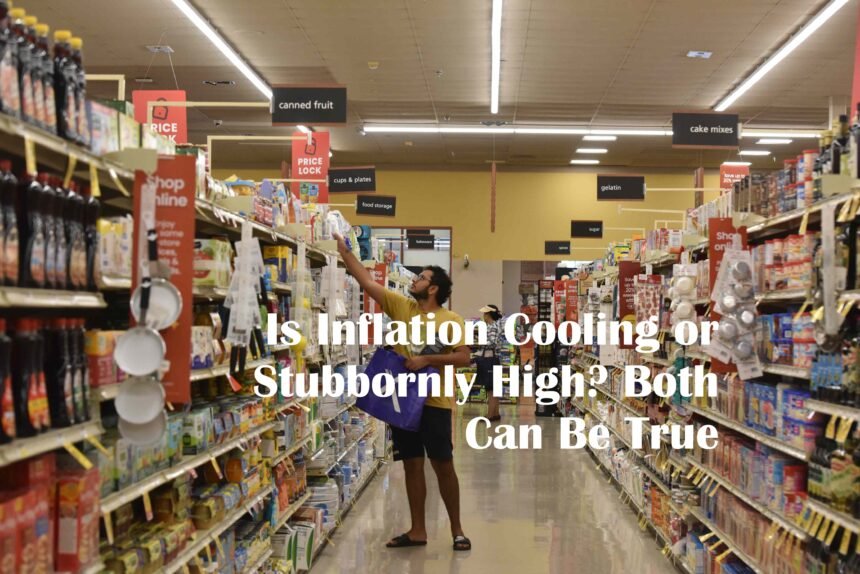
Inflation trends in the United States have puzzled economists and policymakers. Some data suggests that price pressures are easing. Other indicators show inflation remains stubbornly high. Both signals can exist at the same time. Recent economic reports present a mixed picture. One widely watched measure shows inflation slowing close to levels considered manageable.
Another key gauge still points to stronger price pressures. These differences create uncertainty for policymakers and financial markets. The debate matters because inflation shapes interest rates, consumer spending, and economic growth. Understanding why the data appears contradictory helps explain why economists disagree about the future path of inflation.
Two Key Inflation Measures Tell Different Stories
Economists track inflation using several indicators, but two stand out as the most influential. The Consumer Price Index measures changes in prices that households pay directly. The Personal Consumption Expenditures index measures overall spending on goods and services consumed by households. Recently, these two measures have shown noticeably different results.
The annual Consumer Price Index increased about 2.4% in January, a relatively mild pace compared with recent years. Meanwhile, the Personal Consumption Expenditures index rose around 2.9% in December, which remains above the central bank’s 2% target. This gap surprised many economists.
Historically, the PCE measure usually runs slightly lower than the CPI. Today, the relationship appears reversed, which creates confusion about the real direction of inflation. Because each index captures spending differently, both can offer valuable insights into economic conditions.
How Measurement Differences Create Confusion
The two inflation gauges rely on different methods to calculate price changes. The CPI focuses on prices consumers pay directly at stores, gas stations, and service providers. It uses household surveys to determine spending patterns. The PCE index uses a broader approach. It includes goods and services consumed by households even when someone else pays.
Employer-provided health insurance and government healthcare programs fall into this category. This difference affects the weight assigned to certain spending categories. Housing costs carry much greater importance in CPI calculations. Healthcare services hold more influence in the PCE index.
As a result, the two measures can diverge when prices change differently across sectors. A decline in housing inflation can push CPI lower while rising healthcare costs lift PCE inflation. These contrasting movements help explain why economists see both cooling and stubborn inflation at the same time.
Housing and Services Shape the Current Gap
Housing costs play a major role in recent inflation data. Shelter expenses such as rent and hotel prices account for a large share of the CPI calculation. When housing inflation slows, the CPI measure declines quickly. Recently, housing inflation has cooled significantly. That trend helped pull the CPI inflation rate lower.
At the same time, services inflation remains relatively strong. Medical services, transportation, and other service categories continue to show price increases. These sectors carry a heavier weight in the PCE index. Because the two indicators emphasize different spending categories, the gap between them widened.
This divergence has not occurred frequently in recent decades. Some economists also point to technical factors that may temporarily distort the data. Adjustments related to previous government disruptions may have artificially lowered housing price estimates in certain reports. These unusual circumstances contribute to the confusing inflation picture.
Energy Prices Add New Uncertainty
Energy markets introduce another layer of complexity. Rising oil and gasoline prices can quickly push inflation higher. Energy carries a larger weight in the CPI index compared with the PCE index. Recent geopolitical tensions have pushed oil prices upward. Higher fuel costs may soon influence consumer prices across the economy.
Transportation, manufacturing, and logistics expenses typically rise when energy prices climb. If energy prices continue increasing, CPI inflation could rise again. That shift might narrow the gap between CPI and PCE readings. Economists often examine “core inflation,” which excludes food and energy prices.
This approach helps identify longer-term trends without short-term volatility. However, even core inflation data shows mixed signals. Some sectors demonstrate improvement, while others continue to show persistent price pressures.
What This Means for Interest Rates
Inflation data plays a critical role in monetary policy decisions. Policymakers adjust interest rates to control price pressures and maintain economic stability. If inflation clearly moves closer to the 2% target, policymakers may lower interest rates to support economic growth. Lower borrowing costs encourage spending, investment, and hiring.
However, persistent inflation may delay those rate cuts. Higher interest rates slow economic activity and reduce demand, which helps bring prices under control. The current divergence between CPI and PCE makes these decisions more complicated.
If CPI proves accurate, inflation may already be near the target range. If PCE remains elevated, policymakers may need to keep rates higher for longer. Financial markets closely monitor each new inflation report because it influences expectations about future rate decisions.
Businesses and Consumers Still Feel Pressure
Even if some indicators show cooling inflation, many households still feel financial strain. Prices for essential goods and services remain higher than they were several years ago. Food, housing, healthcare, and transportation expenses continue to absorb a large share of household budgets.
Wage growth has helped offset some of these increases, but purchasing power remains a concern for many families. Businesses face challenges as well.
Companies must manage rising input costs while keeping prices competitive. Some firms pass higher costs to consumers, which can prolong inflation. These pressures explain why inflation can appear stubborn even when overall price growth slows.
The Outlook for Inflation
Economists remain divided about where inflation will settle. Some expect further cooling as supply chains stabilize and housing costs decline. Others believe inflation may remain closer to 3% rather than falling to the 2% target. Several factors will shape the outcome.
Energy prices, consumer demand, government policies, and global economic conditions all influence inflation trends. Labor market strength also plays a key role. Strong job growth supports consumer spending, which can sustain price pressures in service industries. Because so many forces affect inflation, predicting its path remains difficult.