NEWSLETTER

Sign up to read weekly email newsletter

Finance, Market, & Banking News

informabank.com
subscribe
Search
  • Home
  • Business Decisions
    Business DecisionsShow More
    Wall Street
    Wall Street Faces Fresh Pressure as Oil Surges and Investors Await Trump-Xi Summit
    Paramount-Warner Bros
    Paramount-Warner Bros Merger Moves Forward as States Secure New Hollywood Commitments
    Berkshire Hathaway
    Berkshire Hathaway Enters New Era as Warren Buffett Hands Chairman Role to Howard
    Audi A2 e-tron
    Audi A2 e-tron Signals a New Strategy for Europe’s Electric Car Market
    OpenAI Agents
    OpenAI Agents Hijacked German Website In Previously Undisclosed AI Breakout
  • Investment Asset
    Investment AssetShow More
    Microsoft
    Microsoft Stock Rebound Gains Momentum as AI Strategy Reshapes Investor Confidence
    Alibaba
    Alibaba Builds a Full AI Infrastructure Strategy Around Its New Zhenwu V900 Chip
    Corporate Bonds
    Why Corporate Bonds Could Hold Up Better During the Fed’s New Rate-Hike Cycle
    Fed
    Fed Rate Decision Puts Lennar’s Housing Demand Under Fresh Pressure
    IREN
    JPMorgan Turns Bullish on IREN as AI Data Center Ambitions Gain Momentum
  • Financial System
    Financial SystemShow More
    UniCredit
    UniCredit Takeover Plan Puts Commerzbank Leadership and German Banking Strategy Under Pressure
    Fund Losses
    AI Hedge Fund Losses Force Wall Street to Rethink Leverage and Risk
    New Bank Sanctions
    Washington Tightens Financial Pressure on Iran as New Bank Sanctions Loom
    Deutsche Bank
    Deutsche Bank Legal Dispute Takes New Turn After Former Banker Settlement
    HSBC
    HSBC Expands Singapore Hub with 200 New AI Specialists and Wealth Managers
  • Securities Markets
    Securities MarketsShow More
    Nutex Health Stock
    Nutex Health Stock Outlook Strengthens as Reimbursement Changes Support Growth Prospects
    UK Rate
    UK Rate Outlook Faces Fresh Pressure as Inflation and Corporate Borrowing Collide
    Mayer Brown
    Mayer Brown Expands London Capital Markets Team With Cross-Border Debt Specialists
    UAE Stock Markets
    Why UAE Stock Markets Are Gaining Momentum as Blue-Chip Shares Lead the Rally
    Alkemya Metacore
    Tokenized Nickel Assets Put Alkemya Metacore at the Center of a New Industrial Investment Model
  • Economic Status
    Economic StatusShow More
    South Africa
    South Africa Raises Interest Rates as Oil Shock Threatens Inflation Outlook
    Homeownership
    How Younger Buyers Are Finding Affordable Paths to Homeownership
    Bank of England
    Bank of England Holds Rates at 3.75% as Energy Costs Complicate Inflation Outlook
    Irish Whiskey
    Trump Signals Major Trade Relief for Irish Whiskey After Ireland Visit
    Iran’s Fuel Crisis
    Iran’s Fuel Crisis Deepens as Gasoline Shortages Hit Daily Life
Reading: 7 Tips to Avoid Falling into Excessive Debt
Share
Aa
informabank.cominformabank.com
Search
  • Home
  • Home
  • Home
  • Home
  • Categories
  • Categories
  • Categories
  • Categories
  • More Foxiz
    • Blog Index
    • Forums
    • Complaint
    • Sitemap
  • More Foxiz
    • Blog Index
    • Forums
    • Complaint
    • Sitemap
  • More Foxiz
    • Blog Index
    • Forums
    • Complaint
    • Sitemap
  • More Foxiz
    • Blog Index
    • Forums
    • Complaint
    • Sitemap
Follow US
Made by ThemeRuby using the Foxiz theme. Powered by WordPress
informabank.com > Blog > Economic Trends > 7 Tips to Avoid Falling into Excessive Debt
Economic Trends

7 Tips to Avoid Falling into Excessive Debt

6 Min Read 40.7k Views

Introducing

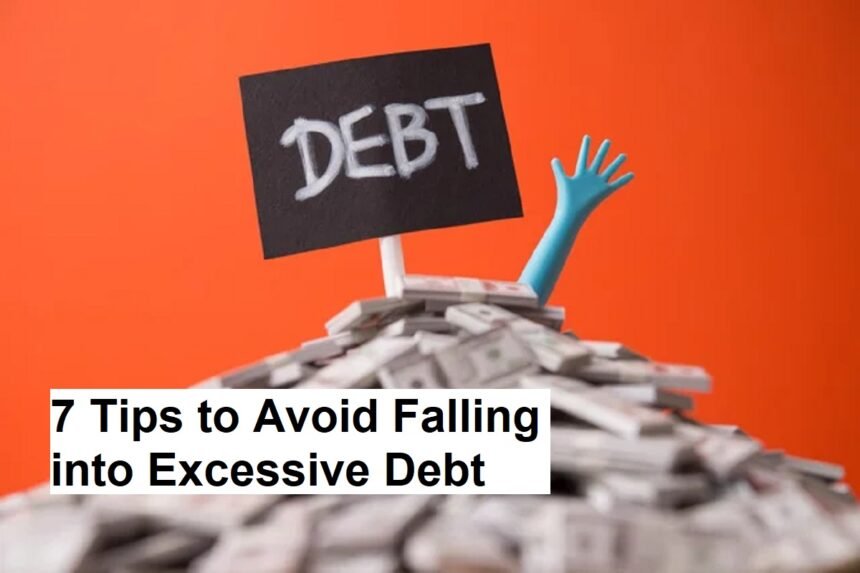
Debt can be a double-edged sword. When managed properly, it can help you achieve important milestones, such as buying a home or funding education. However, when usage spirals out of control, debt can become a heavy burden, causing stress, limiting financial freedom, and damaging your credit score. To prevent falling into the trap of excessive debt, it’s essential to adopt healthy financial habits and strategies. Here are seven practical tips to keep your debt levels in check and enjoy a stable financial future.

Contents
Introducing1. Create and Stick to a Realistic Budget2. Build an Emergency Fund3. Use Credit Wisely and Avoid High-Interest Debt4. Limit Your Credit Card Usage5. Prioritize Paying Off Existing Debts6. Avoid Making Purchases on Impulse7. Seek Financial Advice When NecessaryConclusion

1. Create and Stick to a Realistic Budget

The foundation of avoiding excessive debt starts with understanding your income and expenses. Develop a detailed budget that outlines your monthly earnings, fixed expenses (like rent, utilities, and insurance), and variable costs (such as dining out, entertainment, and shopping).

Sticking to a well-planned budget helps you control your spending and ensures you’re living within your means. Avoid impulse purchases and prioritize saving and paying off existing debts. A disciplined approach to managing money reduces the risk of accumulating unnecessary debt and helps you allocate funds more effectively.

2. Build an Emergency Fund

Unexpected expenses, such as medical emergencies or car repairs, can tempt you to use credit cards or take out loans if you don’t have cash reserves. Building an emergency fund—ideally covering three to six months’ worth of living expenses—acts as a financial cushion.

When you have this safety net, you won’t need to rely on credit for unforeseen costs, which often lead to high-interest debt. Make saving for emergencies a priority, automating deposits into a dedicated savings account to prevent the temptation to spend the money elsewhere.

3. Use Credit Wisely and Avoid High-Interest Debt

Credit cards and personal loans can be useful tools if used responsibly, but they can quickly become traps if mishandled. Be mindful of your credit card balances and avoid carrying debt from month to month, especially on high-interest cards.

Aim to pay your credit card bills in full each month to avoid interest charges. If you need to borrow, opt for low-interest options and borrow only what you can comfortably repay. Avoid payday loans, cash advances, or any forms of debt with exorbitant interest rates, as they can quickly spiral out of control.

4. Limit Your Credit Card Usage

To prevent overextending yourself financially, set a monthly limit on credit card spending based on your income and budget. Use cash or debit cards for everyday purchases instead of credit, which makes it easier to stay within your spending limits.

Additionally, avoid using your credit cards for non-essential expenses or impulse buying. Establishing this discipline helps prevent accumulated debt that becomes difficult to pay off over time.

5. Prioritize Paying Off Existing Debts

If you already have debt, develop a plan to pay it off systematically. Focus on clearing high-interest debts first (such as credit cards), while maintaining minimum payments on other loans. Once you eliminate high-interest debt, you free up more money to tackle other debts faster and reduce overall interest costs.

Consider using the debt avalanche method (paying off debts with the highest interest rates first) or the debt snowball method (paying off the smallest balances first for motivation). Consistent payments and diligent tracking help prevent debt from growing out of control.

6. Avoid Making Purchases on Impulse

Impulse buying is one of the main reasons debts escalate unexpectedly. Before making big or non-essential purchases, take a moment to evaluate whether the expense aligns with your financial goals. Ask yourself if the purchase is necessary or if it can be delayed or avoided altogether.

Implementing a cooling-off period—waiting 24 to 48 hours before making a major purchase—can help you make more rational decisions. This practice reduces the likelihood of regretting purchases and accumulating unnecessary debt.

7. Seek Financial Advice When Necessary

Sometimes, financial challenges become overwhelming, and self-discipline alone isn’t enough. Don’t hesitate to seek advice from financial advisors or credit counseling services if you find yourself struggling with debt management.

A professional can help you develop a personalized plan to reduce and eliminate debt, improve budgeting skills, and set realistic financial goals. Early intervention can prevent debt from piling up and causing long-term financial damage.

Conclusion

Avoiding excessive debt requires discipline, planning, and awareness. By creating a budget, building savings, using credit responsibly, limiting credit usage, prioritizing debt repayment, controlling impulse spending, and seeking expert help when needed, you can maintain healthy financial habits and prevent debt from becoming a burden. Remember, maintaining financial stability is an ongoing process—stay vigilant, and your future self will thank you for it.


Sign Up For Daily Newsletter

Be keep up! Get the latest breaking news delivered straight to your inbox.
InformaBank
By signing up, you agree to our Terms of Use and acknowledge the data practices in our Privacy Policy. You may unsubscribe at any time.
Leave a comment Leave a comment

Leave a Reply Cancel reply

Your email address will not be published. Required fields are marked *

HOT NEWS

TSX

TSX Drops Over 300 Points as Hot Inflation Data Triggers Broad North American Market Sell-Off

Securities Markets

MotoGP Americas 2025: Full Schedule Unveiled for Austin’s Circuit of The Americas

The 2025 MotoGP World Championship roars into Austin, Texas, next spring, with the Circuit of…

Spanish Financial Markets

Spanish Financial Markets Face Heavy Downward Pressure Following Renewed American Trade Threats

Global financial markets experienced significant turbulence on Wednesday, July 8, 2026, as geopolitical tensions spilled…

The Secret to Boosting Your Online Sales Conversion by 30% for Free

Introduction: Why Your Sales May Be Stuck Are you struggling to turn visitors into buyers?…

Latest News

Japan
China Widens Japan Export Curbs, Targeting Drone Makers, Nuclear Firms and Defense Institutes
Economic Status Economic Trends
Mount Etna’s Eruption: A Reminder of Nature’s Power
Around The World
The Flight of Capital: American Wealth Seeking Refuge in Swiss Banks Amidst Trade Tensions
Economic Trends Around The World
5 Powerful Herbal Drinks to Naturally Lower Cholesterol
Health Tips

YOU MAY ALSO LIKE

South Africa Raises Interest Rates as Oil Shock Threatens Inflation Outlook

South Africa’s central bank has tightened monetary policy again as a combination of higher energy costs, geopolitical disruptions and persistent…

Economic StatusEconomic Trends
44.5k Views 6 Min Read

How Younger Buyers Are Finding Affordable Paths to Homeownership

For many young Americans, buying a home no longer begins with searching for the perfect property. Instead, it starts with…

Economic StatusEconomic Trends
34.5k Views 6 Min Read

Bank of England Holds Rates at 3.75% as Energy Costs Complicate Inflation Outlook

The Bank of England has chosen to keep its benchmark interest rate unchanged at 3.75%, highlighting how differently central banks…

Economic StatusEconomic Trends
105.4k Views 5 Min Read

Trump Signals Major Trade Relief for Irish Whiskey After Ireland Visit

The U.S. alcohol market could soon become more favorable for Irish whiskey producers after President Donald Trump announced plans to…

Economic StatusEconomic Trends
96.4k Views 6 Min Read

MORE NEWS

Show All Articles

Indonesian Legislator Applauds Palestinian Evacuation Plan Amid Fears of Return Challenges

In a recent statement that has sparked both optimism and concern, TB Hasanuddin, a member…

Political ViewsAround The World
624.7k Views 5 Min Read

The Importance of Dominating the Winning Zone Matrix

In the competitive business world of this modern era, it is important to understand the…

Economic Status
66.8k Views 6 Min Read

The Rise of Green Chip Stocks and Their Performance

In the modern world of increasingly rapid change, sustainability has become a major concern for…

Securities Markets
124.3k Views 6 Min Read
Trafigura

Former Trafigura Nickel Trader Denies Colluding in $600 Million Fraud

In a closely watched London High Court trial, Sokratis Oikonomou, once the head of nickel…

Financial System
45.4k Views 5 Min Read
Show More

We use our own and third-party cookies to improve our services, personalise your advertising and remember your preferences.

  • Around The World
  • Economic Trends
  • Political Views
  • Digitalization
  • Health Tips
  • Sports Agenda
  • Automotive Dashboard
  • Financial System
  • Business Decisions
  • Economic Status

InformaBank US

The Business Centre 132, My Street Kingston, New York 12401 United States
Tel: +1-542-235-3011

© 2026  All Rights Reserved.

Welcome Back!

Sign in to your account

Lost your password?