



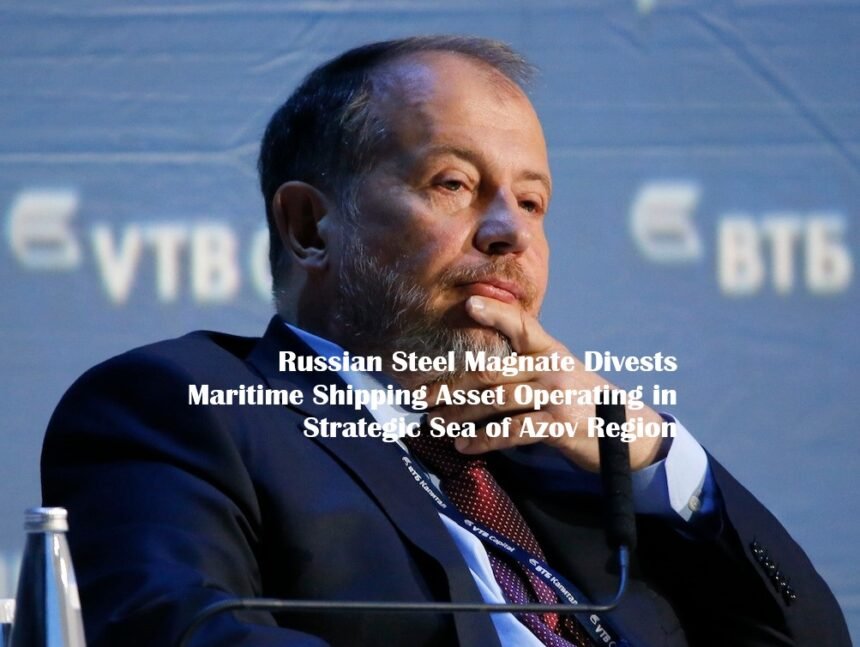
The intricate financial web surrounding Russia’s heavy industrial sector experienced another major structural shift on July 20, 2026. According to sources familiar with the transaction, a prominent Russian steel tycoon successfully finalized the sale of a key maritime shipping company operating throughout the strategic Sea of Azov.
This unexpected corporate divestment highlights the mounting economic and logistical challenges that oligarchs face while operating heavy industrial logistics networks amid shifting international sanctions regimes and heightened geopolitical risks in the region.
For years, the commercial shipping operator played a pivotal role in transporting raw materials, processed metals, and bulk agricultural commodities across regional waterways. The strategic body of water serves as a critical maritime corridor linking inland industrial heartlands directly with broader international shipping routes.
However, rising operational hazards, shifting trade flows, and escalating compliance pressures forced the industrialist to re-evaluate his long-term exposure to maritime transport assets. This corporate sale represents a broader trend of Russian industrialists restructuring their asset portfolios to mitigate operational liabilities.
Unpacking the Corporate Restructuring and Strategic Divestment Rationale
To fully understand the motives behind this maritime transaction, market observers must examine the changing economics of regional cargo logistics. Managing a merchant fleet in contested waters requires immense capital for routine vessel maintenance, hull insurance, and compliance management.
Over the past several fiscal quarters, international maritime insurers dramatically raised their risk premiums for vessels operating in the region. These skyrocketing operational costs severely eroded the shipping firm’s profit margins, turning a once-lucrative supply chain asset into a burdensome cost center for the steel magnate.
Furthermore, owning a dedicated maritime fleet exposed the primary steel manufacturing business to secondary sanctions risks from international regulatory bodies. By divesting the shipping arm, the industrialist effectively insulates his core metallurgical enterprises from direct logistical liability.
The transaction allows the steelmaker to transition toward flexible, third-party logistics contracts rather than maintaining capital-intensive vessel fleets. This strategic pivot provides immediate financial liquidity while eliminating the continuous headache of managing complex maritime operations under strict geopolitical scrutiny.
The Strategic Importance of the Sea of Azov in Eurasian Trade
The geographical significance of the Sea of Azov remains paramount for the broader Eurasian industrial footprint. The shallow inland sea connects directly to major river systems, allowing shallow-draft bulk carriers to transport coal, iron ore, and finished steel from interior production hubs toward export terminals.
During peak economic cycles, hundreds of commercial vessels move continuously through these inland waterways, fueling the heavy manufacturing complexes of Western Asia and Eastern Europe. However, recent geopolitical developments have completely altered traditional maritime commerce across these vital channels. Trade routes that previously relied on seamless international port access now operate under restricted regional arrangements.
Consequently, local maritime buyers who possess specialized regional knowledge and tolerance for elevated risk profiles are stepping in to acquire these divested maritime assets. These regional buyers aim to consolidate local shipping routes, maintaining crucial commodity flows despite broader international market isolations.
Navigating Regulatory Hurdles and Maritime Insurance Bottlenecks
The execution of any major maritime transaction in the current economic climate involves an extraordinary layer of legal and financial complexity. Traditional global banking institutions routinely refuse to process cross-border payments involving strategic infrastructure assets in high-risk zones.
Therefore, the buyer and seller likely utilized alternative payment channels and localized financial clearing networks to complete the corporate transfer smoothly. In addition to financial settlement hurdles, securing adequate hull and machinery insurance for the merchant fleet represents a major operational hurdle for the new owners. Traditional Western marine underwriting syndicates have largely withdrawn their coverage options for vessels navigating these specific waters.
The acquiring entity must now rely on domestic state-backed re-insurance mechanisms or specialized regional underwriters. This shift toward localized insurance markets protects operational continuity, but it also exposes the new owners to higher unhedged financial losses in the event of vessel damage or operational disruptions.
Long-Term Outlook for Industrial Supply Chains and Asset Ownership
As the new ownership structure takes effect, industry analysts will closely monitor the operational throughput of the divested shipping fleet. The sale marks a clear transition away from vertically integrated industrial conglomerates toward decentralized, specialized service providers.
Heavy industrial magnates are realizing that owning every link in their supply chain creates unnecessary vulnerability in an era of unpredictable geopolitical sanctions and volatile market dynamics. Ultimately, this maritime deal demonstrates the resilience and adaptability of domestic commercial operators facing unprecedented structural pressure.
While global capital markets continue to isolate high-risk regional maritime sectors, local investors are actively finding creative ways to keep essential industrial supply chains moving.
The sale of this Azov shipping operator reflects a pragmatically restructured industrial landscape, where asset ownership shifts rapidly to survive in a challenging economic reality. The coming months will reveal whether this decentralized logistics model can successfully sustain regional commodity trade for the long haul.